SKOCH Summit
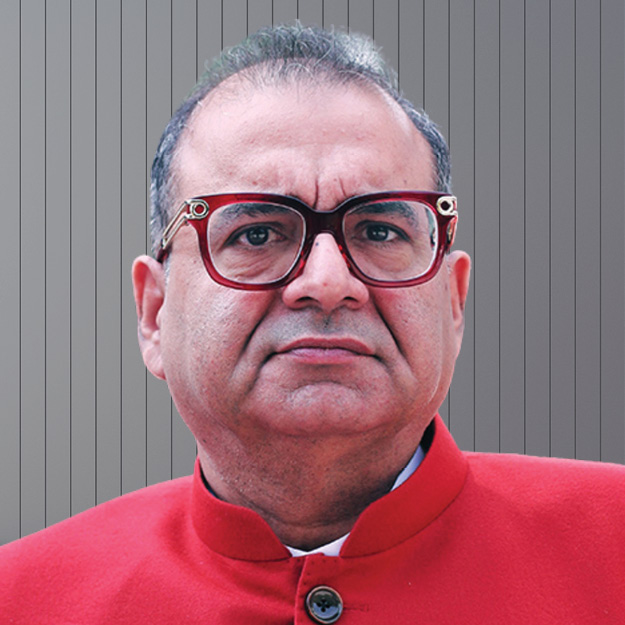
Mr Sameer Kochhar
Chairman, SKOCH Group
Reforms historian and author of best-seller ModiNomics, Sameer Kochhar is Chairman, SKOCH Group. He is a passionate advocate of social, digital and financial inclusion and is a foremost expert on governance and inclusive growth. His work has been acclaimed globally and endorsed by Mr Narendra Modi, Mr M Venkaiah Naidu, Dr Manmohan Singh, Mr Arun Jaitley, Mr P Chidambaram, Mr Yashwant Sinha, Dr C Rangarajan and Dr Montek Singh Ahluwalia and so on. In his thinking and writings and activities, his profound admiration for India's economic reforms and in extension, those outstanding personalities who strive to make these reforms more meaningful and broad-based comes out clear and unambiguous.
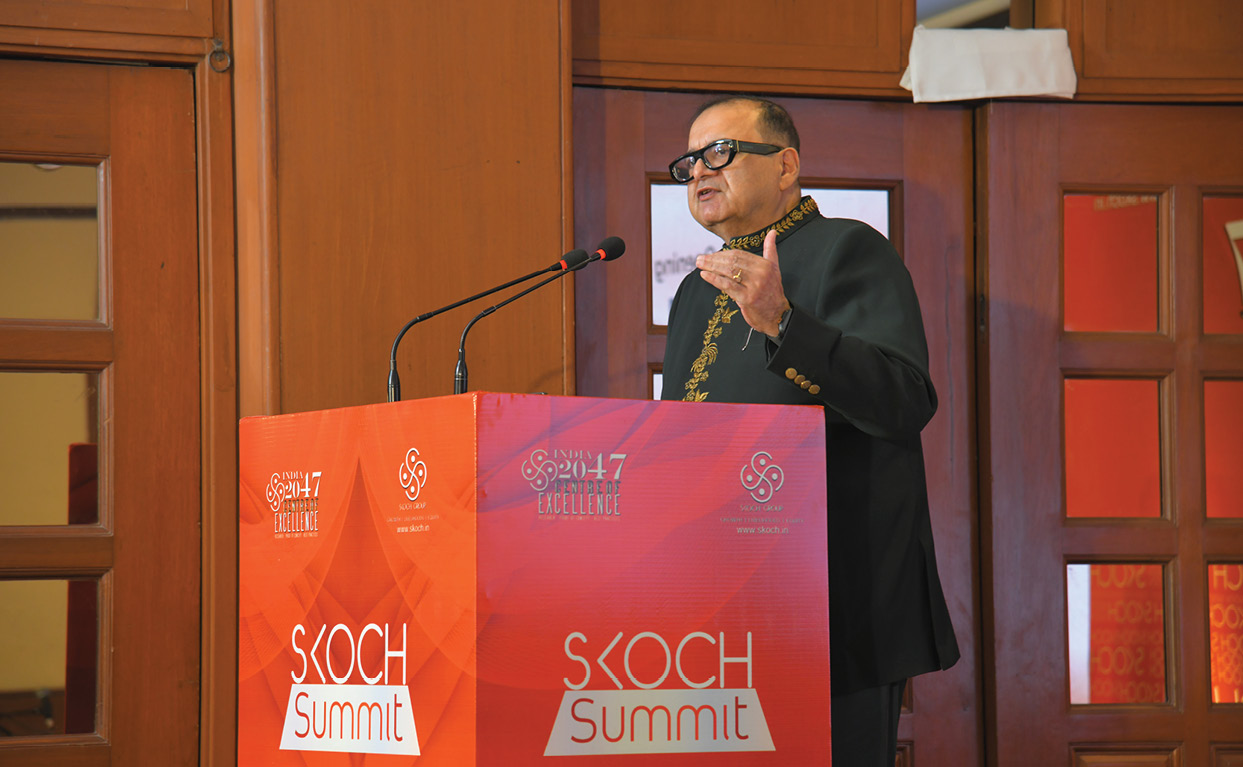
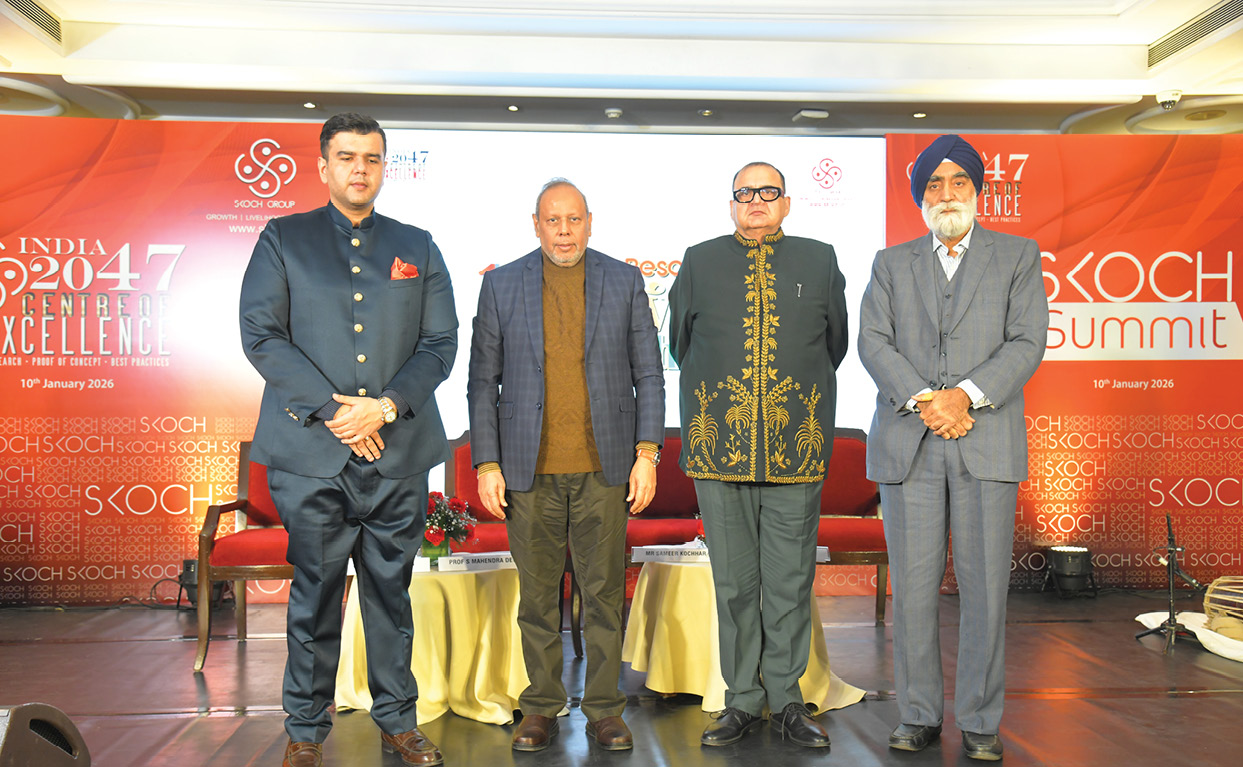
Mr Sameer Kochhar at the 104th SKOCH Summit: Resourcing Viksit Bharat
Mr Sameer Kochhar
Chairman, SKOCH Group
Key Points*
- The SKOCH Summit has held 104 editions focused on inclusive growth.
- The goal is a Viksit Bharat with job-generative, equitable, and sustainable growth.
- Growth must be spatially dispersed so that no Indian is left behind.
- India’s current growth rate of 7–8% is insufficient for long-term aspirations.
- Achieving Viksit Bharat requires accelerating growth to 9–10%.
- The cumulative gap between current and required growth is substantial.
- A clear national roadmap is needed to understand where future growth will come from.
- India stands out as an island of stability amid global economic turmoil.
- Reforms over the past decade are expected to have a cumulative positive impact.
- Higher growth depends on key economic fundamentals such as capital formation, savings, and investment.
* This content is AI generated. It is suggested to read the full transcript for any furthur clarity.
Transcript
Namaskar and good morning. We have had 104 editions of the SKOCH Summit discussing only one subject, which is how India is going to become more inclusive.
How we are going to have a Viksit Bharat which has got growth, but that growth is growth that is job generative. It is spatially dispersed. It is equitable and it is sustainable, so such that no Indian is left behind.
Having discussed this 104 times, now is the time to look at where is this growth going to come from. Do we have, as a country, resources available to do that?
As you are aware, we are growing from between 7 to 8%, and to become Viksit Bharat, we will have to grow between 9 to 10%. So this gap, cumulative over a period of time, is a huge gap.
So do we really have a road map as a country? Is this feasible, how to do it? This is what this conference is going to be focusing on.
Just last evening, I was listening to Mr. Shaktikanta Das, Principal Secretary to the Honorable Prime Minister, and he said that India is on its way from becoming Incredible India to Credible India, and he gave a list of reasons as to why that is happening.
The biggest amongst them is, in the ongoing turmoil around us globally, India is an island of stability.
Also, he talked about how the reforms that have been unleashed over the past 10 years are cumulatively going to have an impact.
So, you know economics is—today we are focusing mostly on the science part of economics, that if you have to grow 9%, then what is the kind of capital formation that is required, what is the kind of savings rate that is required, what is the kind of investment that is required, and given where India today is, is that feasible.
And I have a very eminent panel of economists today who would be throwing light on this.
So without any further ado, I would first invite Rohan Kochhar, who’s lead author of the paper that I have helped him author, Viksit Bharat: Macroeconomic Imperatives for Development, and he’ll share this entire road map with you, that from 20 trillion to 30 trillion, if there is a way forward for India, how we are going to achieve it.