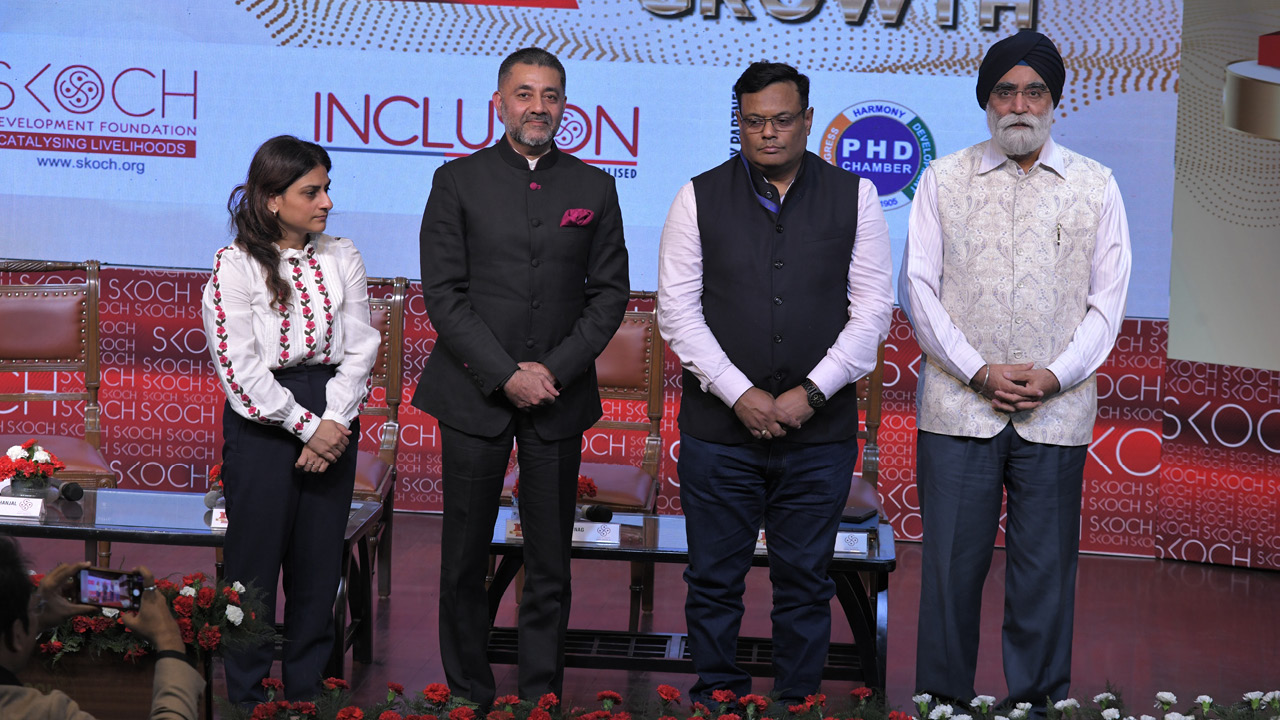
SKOCH Summit
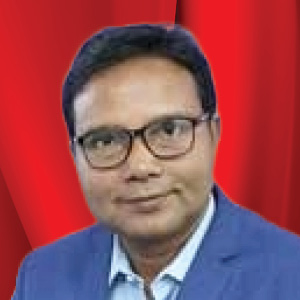
Mr Animesh Naiya
Secretary & CEO, Dhosa Chandaneswar Bratyajana Samity (DCBS)
Mr Animesh Naiya at the 100th SKOCH Summit: New Dimensions in Inclusive Growth
Mr Animesh Naiya
Secretary & CEO, Dhosa Chandaneswar Bratyajana Samity (DCBS)
Key Points*
- DCBS is a grassroots nonprofit microfinance institution serving remote and underserved areas since 2003.
- The organization focuses on empowering women through credit for small businesses, agriculture, and allied activities.
- Over 22 years, DCBS has served more than three lakh women with cumulative lending of ₹500 crore.
- DCBS is transitioning from microcredit to supporting MSME growth with larger loans.
- MSME loans range from ₹1.61 lakh to ₹10 lakh with minimal documentation requirements.
- Enterprise development training and marketing support accompany credit to entrepreneurs.
- Financial inclusion remains incomplete, as most borrowers use bank accounts only for grants and loans.
- High transaction costs and wage loss discourage rural savings despite account ownership.
- DCBS has introduced village-level bank CSPs to enable savings, insurance, and remittances locally.
- DCBS has introduced village-level bank CSPs to enable savings, insurance, and remittances locally.
* This content is AI generated. It is suggested to read the full transcript for any furthur clarity.
Transcript
To speak at this august gathering, I made a note to read out because I am weak in English.
Thank you, SKOCH, for conferring this prestigious award on a small MFI in India like DCBS. It is truly inspiring for us and motivates us to work harder. We feel fortunate to be invited on the eve of your 100th Summit, which itself is a milestone achievement.
DCBS is a grassroots-level, nonprofit microfinance institution. We started our journey in a remote village of the Sundarbans in the year 2003. The promoters of the organization come from a poor background themselves. DCBS has always preferred to work in remote and untouched areas, providing credit to women to support the growth of their small businesses, agriculture, and allied activities.
Over the last 22 years, we have served more than three lakh women, with cumulative credit disbursement amounting to ₹500 crore. Our customers are happy, and we are happy, because things are going well.
Until now, our focus has largely been on small credit. But the time has come to help micro businesses grow into small and medium enterprises. We have started supporting the MSME sector with loan sizes ranging from ₹1.61 lakh to ₹10 lakh, requiring minimal documentation from banks. Along with credit, we provide enterprise development training and marketing support to entrepreneurs.
In a recent study conducted in Uttar Dinajpur district of West Bengal, we found that only 5% of our borrowers and their family members were saving money in their bank accounts. The remaining 95% were using their accounts only to receive government grants and loans from MFIs. Many of them do not even know how to fill a bank deposit slip.
Moreover, they often have to spend an average of ₹100 to save ₹500, due to transportation costs and the loss of one day’s wages.
To address this issue, we have recently started onboarding CSPs (Customer Service Points) on behalf of banks in every village. This allows people to save money in their bank accounts, take insurance policies, and access remittance facilities—without spending extra money or losing a day’s wages.
Thank you very much.