SKOCH Summit





About
Some Stories Take 100 Chapters to Tell
Over the past two decades, the SKOCH Summits have been more than just gatherings—they have been milestones in India’s journey toward inclusive growth, economic empowerment, and social transformation.
Now, as we reach our 100th milestone, we reflect on the transformative changes shaped by the voices of millions and look toward the future with renewed hope.
From Financial Inclusion to AI-driven Innovation, from Humanistic Governance to addressing the Cobra Effect of Tax Interpretations, the 100th is not just a meeting of minds—it is a roadmap for the India we are building together.
Whether amplifying the Voice of the Global South, creating Ease of Self-Employment or ensuring Climate Action without Hidden Agendas, this is the moment to unite for a stronger, more inclusive future.
Join us from 30th November 2024 to 25th March 2025 as we bring together lessons from the past 99 SKOCH Summits and set the stage for an India where innovation, justice, and equitable opportunity go hand in hand for all.
Agenda
0930 - 1130
New Dimensions in Inclusive Growth
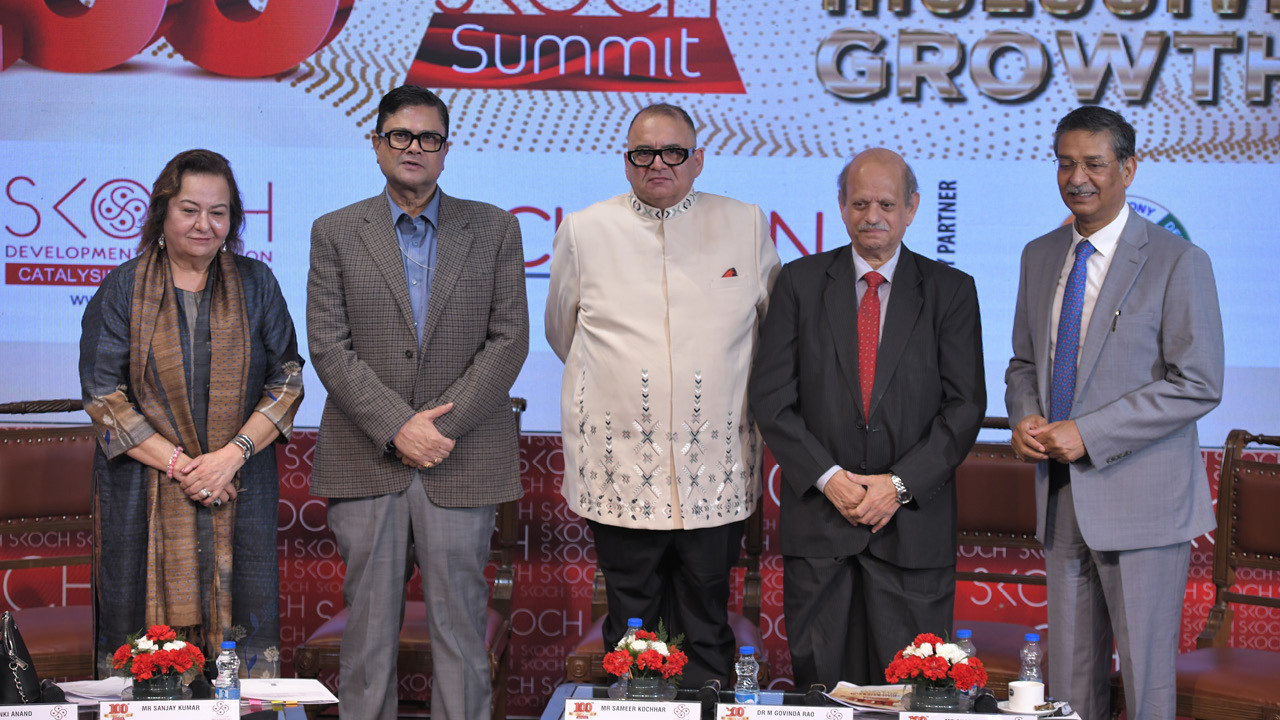
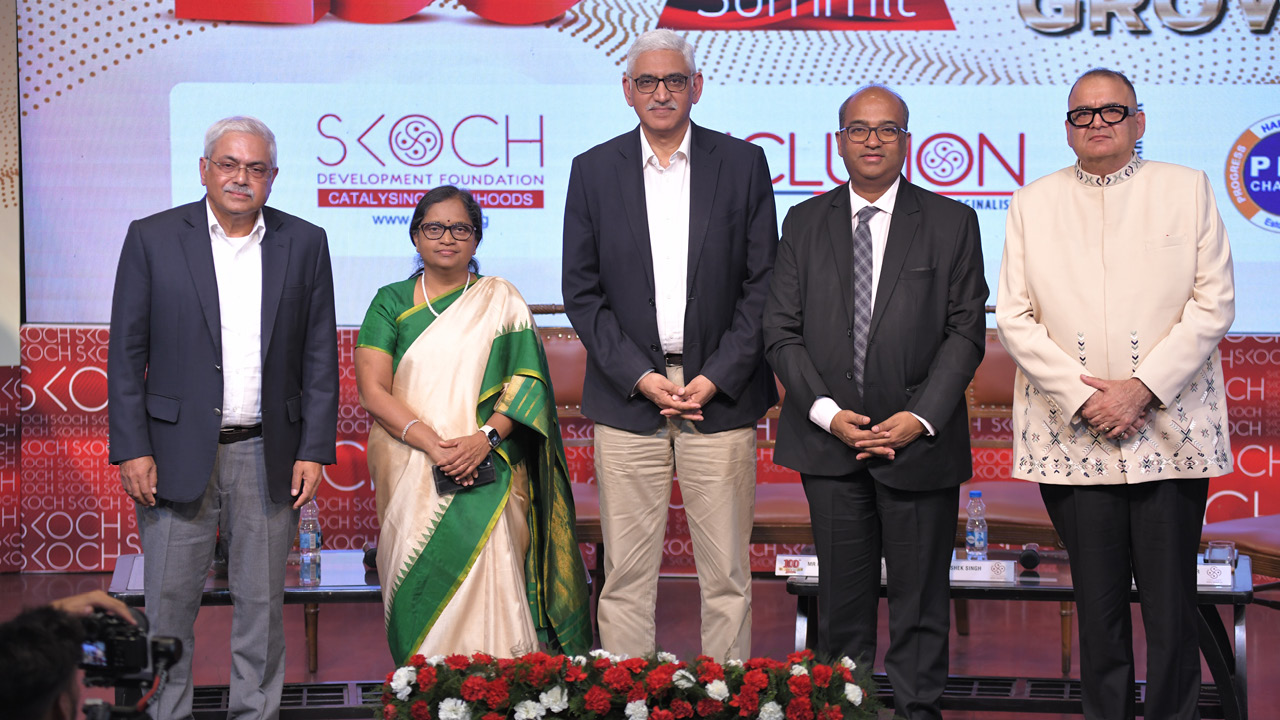
New Dimensions in Inclusive Growth: Mr Sameer Kochhar, Chairman, SKOCH Group
Summary: Mr Sameer Kochhar reflected on India’s journey from the poverty and constraints of the pre-1991 socialist era to post-reform transformation, emphasizing that SKOCH’s 25+ years of work has been guided by consistency, credibility, and a people-first approach irrespective of changing governments. He defined inclusive growth as poverty alleviation and explained SKOCH’s role as a bridge between grassroots realities and policy through rigorous project-level impact assessment rather than budget-centric evaluation. He stressed that e-governance is essentially citizen-centric governance, with technology as an enabler, and highlighted SKOCH’s contributions to Digital India and its evolution toward IndiaAI. Critiquing global indices for cherry-picking data and opinion-based assessments that misrepresent India, he proposed Indian alternatives through SKOCH Reporting Indicators as a superset of global standards. He underscored the need to value job creation (including self-employment), spatially balanced growth beyond metros, and cautioned against anti-business narratives and retrospective taxation that damage investment and employment.*
View Full Transcript

Federalism, GST and Digital Natives: Can India Take the Leadership: Dr M Govinda Rao, Economist and Member, 14th Finance Commission
Summary: Dr M Govinda Rao focused on the central role of fiscal and tax reforms—especially GST—in achieving inclusive growth and India’s aspiration to become a developed economy by 2047. He argued that sustaining high growth requires expanding fiscal space through a higher tax-to-GDP ratio, while redirecting spending from subsidies toward education, healthcare, skills, and infrastructure. He emphasized that GST, if simplified, can be a powerful revenue and compliance tool, but criticized India’s multiple rates, complex structure, and heavy compliance burden. Dr Rao stressed that equity should be pursued mainly through public expenditure rather than excessive tax differentiation, warning that high and distorted taxes can hurt investment, jobs, and productivity. He advocated broadening the GST base, reducing rate slabs, and leveraging digitization and AI to improve compliance, detection, and administration. Overall, he underlined that simpler taxes and smarter digital administration are essential for growth, inclusion, and effective governance.*
View Full Transcript
Education and Inclusive Growth: Mr Sanjay Kumar, Secretary, School Education, Ministry of Education
Summary: Mr Sanjay Kumar emphasized education as the most powerful driver of inclusion—social, economic, and spatial—in an increasingly unequal, technology-driven world. He highlighted India’s progress in access to schooling since the Right to Education Act, while pointing to structural imbalances such as too many small primary schools and inadequate secondary and higher-secondary capacity, which lead to dropouts. Stressing NEP 2020 goals, he argued for integrated schools (Class 1–12), curriculum and assessment equivalence across boards, and reforms in examination systems to ensure equal opportunity. He underscored the importance of mother-tongue-based multilingual education, inclusion of children with special needs, and expansion of open and distance learning to prevent dropouts. He critiqued excessive exam-centric learning and called for stronger community participation and focus on learning outcomes. Concluding, he argued that only inclusive, quality, and skills-oriented education can help India escape the middle-income trap and achieve innovation-led development by 2047.*
View Full Transcript
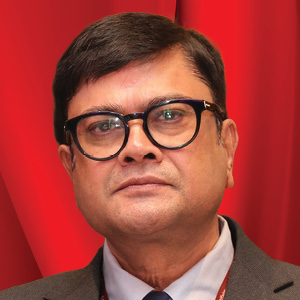
Human Rights in Business: Mr Bharat Lal, Secretary General, National Human Rights Commisison (NHRC)
Summary: Mr Bharat Lal argued that India’s 2047 vision will remain an “imagination” unless every institution—government, business, and citizens—plays an active role and measures itself by real societal impact. He urged leaders to develop a “story” beyond profit and titles: public service and business should be defined by what they contribute to people’s lives, especially youth aspirations and opportunity creation. Citing reforms like the Government e-Marketplace and Mudra, he framed the larger purpose as enabling entrepreneurship and reducing dependence on government jobs while keeping hope alive among young people. From a human-rights lens, he warned that growth without dignity, equality, safety, and humane workplaces is hollow—pointing to issues like mental health stress, exploitative work conditions, and exclusion. He called on enterprises to practice constitutional values and inclusion in concrete ways, including opportunities for marginalized groups such as persons with disabilities and transgender persons. He concluded that India and its institutions must not become “soulless,” and that duty (dharma) and ethical values must guide growth—each organization should aim to change lives, not just maximize profit.*
View Full Transcript
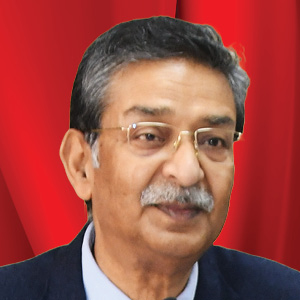
The Sting of Retrospective Taxation & Tax Activism: Ms Pinky Anand, Senior Advocate, Supreme Court of India
Summary: Ms Pinky Anand focused on the economic and constitutional implications of retrospective taxation, arguing that while legally permissible, it often undermines business certainty, investor confidence, and long-term growth. Drawing on examples such as mining royalties, online gaming, and past cases like Vodafone, she warned that disproportionate and retrospective tax demands disrupt planning, destroy jobs, discourage startups, and push businesses to relocate globally. She emphasized that taxation must align with fairness, predictability, and legitimate public purpose, as repeatedly underscored by constitutional principles and Supreme Court judgments. Highlighting the online gaming sector, she questioned the rationale of steep retrospective levies that threaten a fast-growing, innovation-driven industry. Ms Anand stressed that inclusive growth, revenue generation, and foreign investment require a balanced, prospective tax regime rather than reactive tax activism. She concluded that coordinated policymaking—between government, institutions, and society—is essential to ensure taxation supports development without stifling enterprise or innovation.*
View Full Transcript

1130 - 1230
From Digital India to INDIAai
Introductory Remarks: Mr Sameer Kochhar, Chairman, SKOCH Group
Summary: Mr Sameer Kochhar highlighted Digital India as one of India’s most significant successes of the past two decades, driven by strong digital public infrastructure and a citizen-centric approach to governance. He emphasized that Digital India’s achievements were the result of deep collaboration between government and the private sector, focused on reaching the last citizen and improving service delivery. Looking ahead, he positioned the IndiaAI Mission as a powerful force multiplier that can build on Digital India to dramatically enhance development outcomes and governance efficiency. He noted that applying AI atop existing digital systems can enable better targeting, faster delivery, and improved impact of public policies. Drawing on his perspective as a reform historian, he stressed the importance of capturing lessons from Digital India to guide future reforms. He concluded by underlining the need to document and translate these learnings into a roadmap for the transition from Digital India to IndiaAI.*
View Full Transcript
From Digital India to INDIAai: Mr Abhishek Singh, Additional Secretary, Ministry of Electronics and Information Technology (MeitY)
Summary: Mr Abhishek Singh highlighted Digital India as a transformational national success built on strong digital public infrastructure and collaborative public–private partnerships, with SKOCH playing a pioneering role in shaping awareness and adoption. He traced how Aadhaar, Jan Dhan, UPI, DigiLocker, and CoWIN enabled identity, financial inclusion, direct benefit transfers, paperless and cashless governance, delivering massive efficiency gains and global recognition for India’s DPI model. Emphasizing India’s strength in technology talent, he positioned the IndiaAI Mission as the next leap, designed to sit atop the Digital India stack and act as a force multiplier for inclusion and service delivery. He outlined the seven pillars of IndiaAI—compute, AI applications, datasets, skills, startups, foundational models, and responsible AI—aimed at democratizing AI access and job creation. He stressed India’s leadership in AI skills and global collaboration, while prioritizing safe, ethical, and innovation-driven AI governance. He concluded that “DPI to the power of AI” will redefine inclusive governance, bridge digital divides, and position India as a global hub for AI use cases.*
View Full Transcript
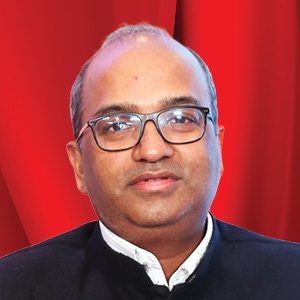
From Digital Telangana to TELANGANAai: Ms L Rama Devi, Officer on Special Duty (OSD), Director-Emerging Technologies, ITE&C Department, Government of Telangana
Summary: Ms L Rama Devi traced Telangana’s journey from Digital Telangana to AI Telangana, highlighting how two decades of digital foundations—online services, broadband via T-Fiber, state data centers, and multiple delivery channels—have enabled citizen-centric governance. She emphasized that this strong digital base is now powering Telangana’s leap into AI through clear policy frameworks, dedicated institutions like the Telangana AI Mission, and sustained collaboration with startups, industry, and foundations. Stressing that data is central to AI, she outlined initiatives such as open data portals, agriculture and sectoral data exchanges, and large-scale data availability for innovation. She shared concrete impact stories, including AI-driven road safety reducing accidents, AI in agriculture increasing farmer incomes, forest monitoring for conservation, and mental wellness tools to address drug abuse among youth. She concluded that with policy enablement, data readiness, and innovation working together, Telangana is positioning itself as a leading AI ecosystem, contributing to India’s broader vision of inclusive, technology-led growth in the “India Century.”*
View Full Transcript

Made in Digital India: Mr Rajesh Awasthi, Vice President Sales – Strategic Initiatives, Tata Communications
Summary: Mr Rajesh Awasthi emphasized the critical role of digital infrastructure as the backbone enabling India’s digital governance and technology-led growth. He highlighted Tata Communications’ contribution in building global connectivity—subsea cables, internet gateways, and networks—that allowed India’s IT services and digital economy to scale. As digital public infrastructure expanded, he stressed the importance of sovereign, secure cloud and data infrastructure governed by Indian law, particularly for sensitive government platforms. He noted Tata Communications’ role in enabling sovereign government cloud environments supporting major Digital India initiatives. Turning to AI, he argued that AI will not replace people but will amplify productivity for those who adopt it, making early adoption essential. He urged organizations to integrate AI across their domains, positioning it as a level playing field where India can leapfrog global peers. He concluded by affirming Tata Communications’ commitment to providing compute, connectivity, and secure infrastructure to support India’s transition toward an AI-enabled, developed economy.*
View Full Transcript
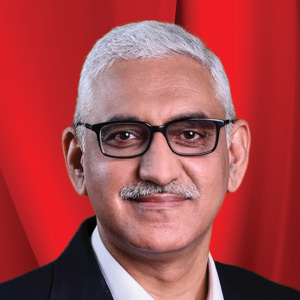
1230 - 1300
From Financial Inclusion to Financial Deepening
Introductory Remarks: Dr Gursharan Dhanjal, Vice-Chairman, SKOCH Group
Summary: Dr Gursharan Dhanjal framed the panel around job-generative growth through financial inclusion and financial deepening, drawing on inputs from banking, finance, and microfinance stakeholders. He distinguished basic financial inclusion—bringing the unbanked into the system through literacy, bank accounts, SHGs, and initial credit—from financial deepening, which integrates beneficiaries into the mainstream economy through repeated credit access and sustainable livelihoods. He noted that while access to financial products has expanded post-Jan Dhan, true credit absorption capacity in rural areas remains weak. Emphasizing the thin line between digital services, financial inclusion, and the digital economy, he highlighted the need for appropriate financial products and capability building. He concluded by posing the central challenge: how to foster meaningful financial deepening in rural India so that inclusion translates into durable employment and economic growth.*
View Full Transcript

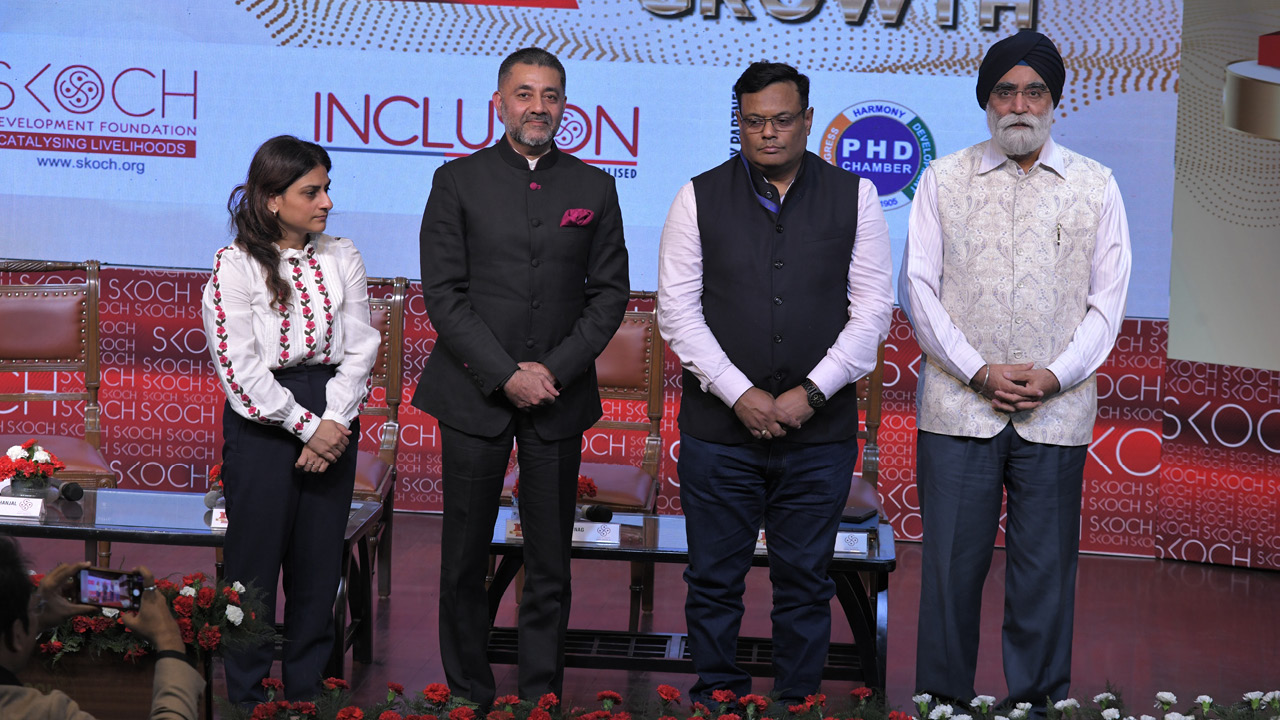
Mr Animesh Naiya, Secretary & CEO, Dhosa Chandaneswar Bratyajana Samity (DCBS)
Summary: Mr Animesh Naiya shared the grassroots journey of DCBS, a nonprofit microfinance institution founded in 2003 in the remote Sundarbans, focused on empowering poor women through access to credit. He highlighted DCBS’s commitment to serving underserved and inaccessible areas, supporting women-led microbusinesses and agriculture-based livelihoods. Over 22 years, the organization has reached more than three lakh women with cumulative credit of ₹500 crore, contributing to stable livelihoods and financial inclusion. Recognizing the need to move beyond microcredit, he outlined DCBS’s expansion into MSME financing, coupled with enterprise development training and marketing support. He drew attention to gaps in financial literacy, savings behavior, and access, especially the high cost of basic banking for rural households. He concluded by describing the introduction of village-level banking correspondents, enabling savings, insurance, and remittances locally, reducing costs and deepening true financial inclusion.*
View Full Transcript

Mr Subrata Ghosh, Managing Director, Servitium Micro Finance Private Limited
Summary: Mr Subrata Ghosh highlighted the role of microfinance institutions in bridging gaps left by formal banking in achieving true financial inclusion. While government initiatives and banks have expanded rural banking, he noted that many socially isolated and low-income beneficiaries still lack access to formal credit and depend primarily on MFIs. He emphasized the strong repayment discipline in the sector, with recovery rates around 99%, and its rapid growth over the past decade. Digitization has significantly improved efficiency, reducing loan disbursement timelines from weeks to a few days. However, he pointed out key challenges such as high digital transaction costs, weak infrastructure (internet and electricity), limited funding access, and high borrowing costs due to dependence on intermediaries. He concluded by advocating government-supported digital platforms and fintech-based P2P lending models to lower costs and improve affordable credit access for underserved beneficiaries.*
View Full Transcript

Mr Bishwajit Das, Chairman & Managing Director, WeGrow Financial Services Pvt Ltd
Summary: Mr Bishwajit Das explained that microfinance institutions emerged to fill gaps left by formal banking in reaching the poorest households with timely credit. He emphasized that MFIs do more than provide small loans—they identify entrepreneurial women, build financial discipline, and offer training in entrepreneurship, financial literacy, and responsible repayment. With sustained support, he noted that around 10–15% of clients graduate each year and require larger loans to scale their businesses. Since regulatory limits restrict MFIs from providing higher credit, he highlighted the importance of partnerships with banks and the business correspondent (BC) model to enable this transition. In rural areas, MFIs play a critical role in preparing borrowers to access formal banking by building assets, credit history, and business capability. He concluded that microfinance alone cannot transform livelihoods, but it serves as a vital stepping stone that enables entrepreneurs to graduate into the formal financial system.*
View Full Transcript

Mr Rahul Johri, Chairman, Bargach Finance Private Limited
Summary: Mr Rahul Johri shared insights from his work with microfinance institutions supporting financially excluded women borrowers, having reached over five lakh households in the last six years. Through contrasting branch visits over time, he illustrated how borrower needs and conversations have evolved from basic microcredit to more sophisticated financial discussions. Today, even excluded borrowers actively seek debit cards, MSME loans, insurance, risk mitigation, and financial goal planning. He emphasized that access to information has empowered borrowers to articulate broader financial needs beyond credit alone. Defining financial deepening, he stressed expanding product offerings to include MSME finance, home improvement, and protection products. He concluded that the ecosystem is now ready for deeper financial integration, with informed borrowers, capable institutions, and suitable products coming together to support inclusive economic growth.*
View Full Transcript
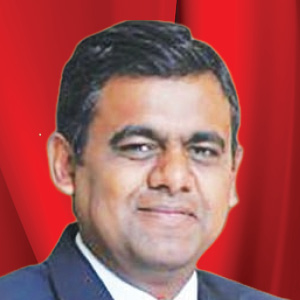
1430 - 1515
Planning and Policy for a Digital Economy
Chair: Prof Charan Singh, Co-Founder, EGROW and Distinguished Fellow, SKOCH Foundation
Summary: Prof Charan Singh framed the digital economy as a transformative force that has finally enabled India to achieve long-standing goals of financial inclusion, especially through the JAM trinity and rapid mobile penetration. Drawing on his experience at the RBI, IMF, and academia, he highlighted how Digital India has expanded access to banking, payments, e-commerce, and services even in the hinterlands. While acknowledging the immense opportunities created by technology, he cautioned about challenges around data protection, privacy, cybersecurity, regulation, and taxation. He stressed the delicate balance between innovation and regulation, warning that excessive control could stifle creativity while weak safeguards could harm consumers. Prof Singh also reflected on AI’s disruptive potential for jobs, education, health, and governance, arguing that countries like India must decide the pace and scope of AI adoption. He concluded that the digital economy must be pursued with inclusion, caution, and foresight so that technological gains do not leave vulnerable sections behind.*
View Full Transcript
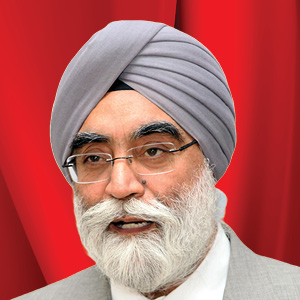
Languages for Digital India: Mr Amitabh Nag, CEO, Digital India Bhashini Division, MeitY
Summary: Mr Amitabh Nag outlined how the Bhashini mission is using AI to overcome India’s language, digital, and literacy divides by building inclusive language technologies. He explained that through collaboration with over 70 research institutes and multiple consortiums, AI models for speech, text, and translation were developed and deployed via the National Hub for Language Technology as scalable APIs. Today, more than 300 models serve around 300 users with nearly 6 million inferences daily across speech recognition, translation, and text-to-speech services. To address data scarcity beyond 6–7 major languages, large-scale field data collection was undertaken to create parallel speech–text corpora across Indian languages. He emphasized five guiding principles of the mission: no language left behind, continuous accuracy improvement, a voice-first approach, focus on everyday citizen use cases, and affordability through open access. He concluded that by open-sourcing models and datasets, Bhashini is laying the foundation for safe, trusted, and citizen-centric AI that makes digital services accessible to all Indians.*
View Full Transcript

Prof Suranjali Tandon, Associate Professor, National Institute of Public Finance & Policy (NIPFP)
Summary: Prof Suranjali Tandon examined the digital economy through the lens of equity, inclusion, and regulation, highlighting how everyday digital interactions generate complex cross-border data and value flows. She explained that digital platforms process user data globally, creating profits at multiple stages, which raises fundamental questions about where and how such companies should be taxed. Pointing to global debates since 2016–17, she noted that low effective tax rates of large tech firms have triggered policy responses, trade tensions, and calls for a coordinated international tax framework. She also highlighted emerging regulatory focus areas, including transparency in digital financial transactions and the governance of crypto assets to prevent illicit flows. Linking technology to inclusion, she warned that uneven taxation shifts the burden to individuals and that AI-driven changes in employment could disrupt labor markets. She concluded that the evolving regulatory landscape must balance innovation with fairness, transparency, and inclusive growth in the digital age.*
View Full Transcript

* This summary content is AI generated. It is suggested to read the full transcript for any furthur clarity.