SKOCH Summit
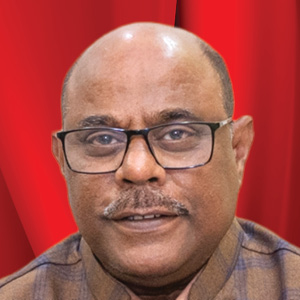
Mr Bishwajit Das
Chairman & Managing Director, WeGrow Financial Services Pvt Ltd
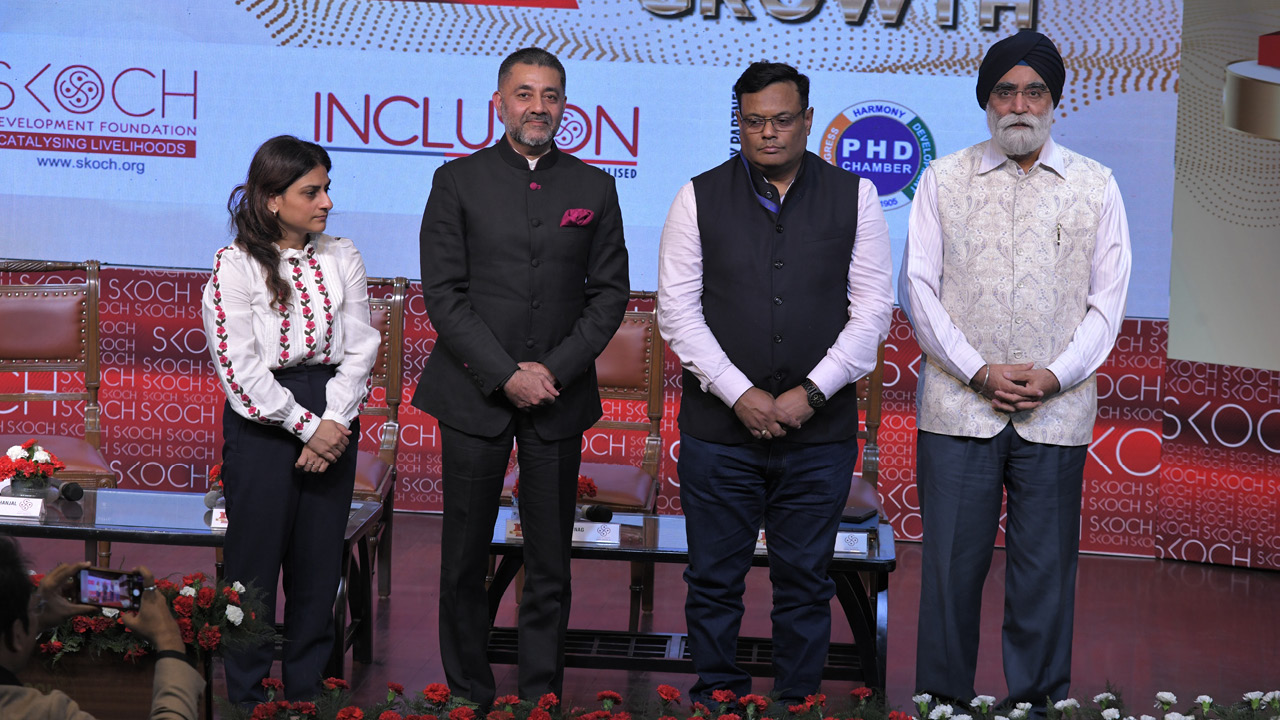
Mr Bishwajit Das at the 100th SKOCH Summit: New Dimensions in Inclusive Growth
Mr Bishwajit Das
Chairman & Managing Director, WeGrow Financial Services Pvt Ltd
Key Points*
- Banks alone could not reach all poor households, leading to the rise of microfinance institutions.
- RBI enabled MFIs to provide financial access to underserved and poor communities.
- MFIs offer small loans to individuals with entrepreneurial potential, especially women.
- Credit is combined with entrepreneurship, financial literacy, and repayment behavior training.
- Microfinance helps clients build assets and business management skills.
- Around 10–15% of MFI clients graduate each year and need larger loans.
- RBI regulations limit MFIs from offering large loans directly.
- The Business Correspondent model enables graduated clients to access bank credit.
- MFIs play a transitional role in linking entrepreneurs to formal banking systems.
- Sustainable financial inclusion requires graduation from microfinance to mainstream finance.
* This content is AI generated. It is suggested to read the full transcript for any furthur clarity.
Transcript
This 100th Summit reflects the same history that the previous speaker mentioned. Banks were initially expected to provide finance to the poor, but this did not work fully or effectively. Banks could not reach all poor families. That is why microfinance institutions came into existence, and the RBI permitted MFIs to reach poor people with financial services. That is what we are doing today.
We provide small loans to people who have the ability to run a business or show entrepreneurial potential. We try to identify women who have the intention to grow along with us. We do not provide only loans—along with credit, we offer entrepreneurship training, financial literacy training, and awareness programs. We also educate clients on good repayment behavior.
With our support, not all but around 10–15% of our clients graduate every year and require larger loans. However, due to RBI regulations, we are not able to provide large loans directly. That is why we work with banks through the Business Correspondent (BC) model, through which clients can access higher loan amounts for their businesses.
Using our microfinance loans, these clients create assets, develop good credit behavior, and learn how to manage their businesses. Once they are ready, banks extend their support by providing larger loans.
Specifically for rural areas, we follow the same BC model. We also guide and support graduated clients to approach nearby banks to obtain larger loans for their projects. This is how the microfinance journey works.
Microfinance alone cannot change everything. Our primary role is to support entrepreneurs at the early stage and help them graduate. I believe most microfinance institutions in India are doing this work well.
After taking three or four loan cycles from microfinance institutions, when customers are ready to graduate, MFIs—including NBFC-MFIs and others—provide strong support to help them access larger loans from banks and other financial institutions.
Thank you very much.