SKOCH Summit




Agenda
1030 - 1210
Inaugural Session
The inaugural session focused on accelerating India’s economic revival through an infrastructure push, financial deepening, and technology-led transformation across sectors. Mr. Sameer Kochhar emphasized three key mantras for nation-building: go deeper, go faster, and do more with less, highlighting the need for governance reforms, technology deployment, and efficient contract management. He stressed financial deepening beyond inclusion, reducing time and cost overruns in infrastructure, and leveraging cloud, AI, and advanced digital tools. Mr. Rajesh Prasad of RVNL showcased the success of PPP models like Kutch Rail Company and highlighted fast-track execution, minimal manpower efficiency, and strong contract management practices. RVNL’s performance demonstrated large-scale railway infrastructure delivery, revenue generation without additional investment, and effective use of modern monitoring systems. Mr. Ali Khan discussed reducing medical errors through 3D medical animations, educational video games, and digital dashboards for proactive patient monitoring. Her approach combined technology-driven medical education with clinical decision support systems to enhance healthcare outcomes. Mr. Ashutosh Vetal Salman presented a cloud-based digital platform for municipal corporations that significantly increased online payments and revenue collection. The session reflected a cross-sector commitment to digital transformation, operational efficiency, and collaborative models to support India’s growth agenda toward 2047.
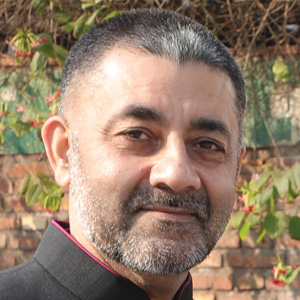
Welcome: Dr Gursharan Dhanjal, Vice Chairman, SKOCH Group
Opening Remarks: Mr Rajesh Prasad, Director Operations, Rail Vikas Nigam Limited &
Mr Zaw Ali Khan, Additional Director-R&D, Eras Lucknow Medical College and Hospital
Mr Ashutosh Vithal Samant, Managing Director, ASCENTech Information Technology Private Limited
Dr Gursharan Dhanjal
Vice Chairman, SKOCH Group
Dr Gursharan Dhanjal, MA, M.Phil, PhD from Delhi University, an expert in development economics. He is Vice Chairman, SKOCH Group. He is also Editor of INCLUSION—a quarterly publication that focuses on inclusive growth related areas. He has led various research projects, impact assessments and field studies in MSMEs, women empowerment, entitlements, rights, sanitation, social inclusion, health, financial inclusion, e-governance and ICT for development that included traversing across the country, collecting citizen voices for over two decades now. A prolific writer, Dr Dhanjal has contributed over 200 columns in leading national dailies including The Hindustan Times, The Times of India, The Financial Express and The Pioneer. He has published research papers in several journals of repute in addition to authoring following widely acclaimed books: Tarapur: The Politics of Nuclear Age; and, Infrastructure and Governance. He was member of the Working Group on ICT in Higher Education constituted by Planning Commission for the 12th Five Year Plan.
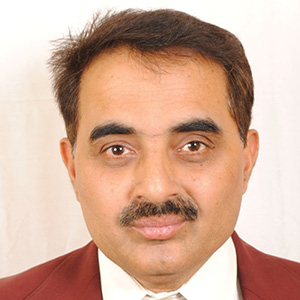
Mr Rajesh Prasad
Director Operations, Rail Vikas Nigam Limited
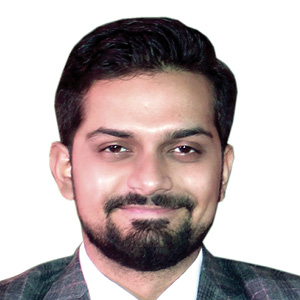
Mr Zaw Ali Khan
Additional Director-R&D, Eras Lucknow Medical College and Hospital
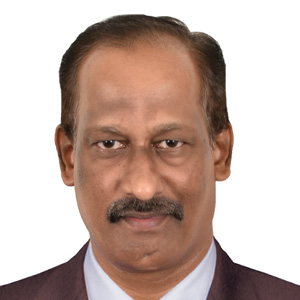
Mr Ashutosh Vithal Samant
Managing Director, ASCENTech Information Technology Private Limited
1210 - 1300
State of PSUs
The 2021 policy push to reduce PSUs to roughly two dozen (from 300+) set the context: only 3–4 PSUs will remain in each strategic sector, while others may be privatized, subsidiarized, or shut down. Strategic/core sectors were highlighted as atomic energy, space, defense, transport, telecommunications, power, coal, and BFSI, shaping how PSUs must reposition themselves. The moderator framed forward-looking questions for 2023: improving geo-strategic reach, reducing India’s import bill, accelerating infrastructure build-out, and preventing time/cost overruns. Ms. Harjeet Kaur Joshi emphasized PSUs’ nation-building role, resilience, and strengths like trust and transparency, arguing disinvestment is about sharper focus—not reduced relevance. She also underscored that capex delivery is closely tracked through MOU parameters, but project monitoring must become a “daily ritual,” not an annual review. Mr. Sanjay Swarup (CONCOR) described multimodal logistics expansion via 61 terminals, stressing that terminal location decisions consider regional development, not profit alone. He flagged two major execution bottlenecks: land acquisition and customs notification for dry ports, plus a new constraint—limited wagon manufacturing capacity despite available funds. Mr. Nito Nandi (Indian Oil) highlighted large-scale digitalization (ERP and customer platforms like EPIC) enabling better governance, faster service delivery (eKYC and digital payments), and stronger control over subsidy disbursement. Mr. Rahul Tandon (BPCL) outlined customer-experience-led digital transformation (Project Anubhav), including touchless fueling (UFill), AI chatbot support (Urja), and process/decision re-engineering to reduce inefficiencies and improve project execution.
Moderator: Dr Gursharan Dhanjal, Vice Chairman, SKOCH Group
Ms Harjeet Kaur Joshi, Chairman & Managing Director, The Shipping Corporation of India Limited
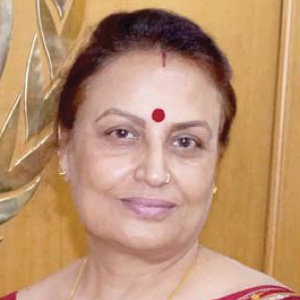
Mr Sanjay Swarup, Director (International Marketing & Operations), Container Corporation of India Limited
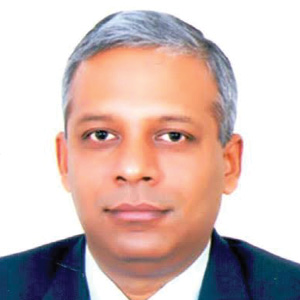
Mr Liton Nandy, Executive Director (Information Systems), Indian Oil Corporation Limited
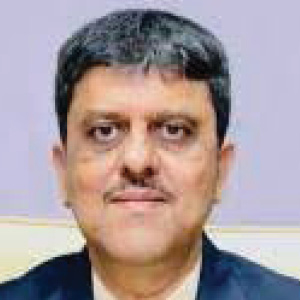
Mr Rahul Tandon, Head (Digital Transformation), Bharat Petroleum Corporation Limited
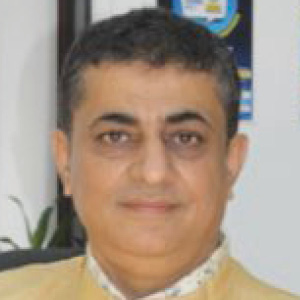
Mr M K Sogani, Chief General Manager & Head of the Department, GAIL (India) Limited
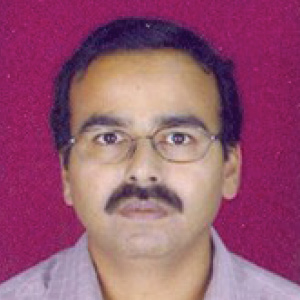
Dr Gursharan Dhanjal
Vice Chairman, SKOCH Group
Dr Gursharan Dhanjal, MA, M.Phil, PhD from Delhi University, an expert in development economics. He is Vice Chairman, SKOCH Group. He is also Editor of INCLUSION—a quarterly publication that focuses on inclusive growth related areas. He has led various research projects, impact assessments and field studies in MSMEs, women empowerment, entitlements, rights, sanitation, social inclusion, health, financial inclusion, e-governance and ICT for development that included traversing across the country, collecting citizen voices for over two decades now. A prolific writer, Dr Dhanjal has contributed over 200 columns in leading national dailies including The Hindustan Times, The Times of India, The Financial Express and The Pioneer. He has published research papers in several journals of repute in addition to authoring following widely acclaimed books: Tarapur: The Politics of Nuclear Age; and, Infrastructure and Governance. He was member of the Working Group on ICT in Higher Education constituted by Planning Commission for the 12th Five Year Plan.
Ms Harjeet Kaur Joshi
Chairman & Managing Director, The Shipping Corporation of India Limited
Mr Sanjay Swarup
Director (International Marketing & Operations)
Container Corporation of India Limited
Mr Liton Nandy
Executive Director (Information Systems), Indian Oil Corporation Limited
Mr Rahul Tandon
Head (Digital Transformation), Bharat Petroleum Corporation Limited
Mr M K Sogani
Chief General Manager & Head of the Department, GAIL (India) Limited
1430 - 1530
State of Banks
Dr. Deepali Pant Joshi opened the session by outlining India’s strong push toward digital banking and the major tech trends shaping BFSI, including cloud, APIs, automation, and analytics. Devish Dinkar (Bank of Maharashtra) highlighted rapid digital adoption in PSU banking, citing growth in UPI usage, WhatsApp banking, chatbots, digital certificates, and large-scale debit card/merchant QR onboarding. Surya Narayana K. (Central Bank of India) stressed that “data is money,” explained why cyber crime is hard to detect, and emphasized RBI-led security frameworks, data localization, and customer awareness as critical defenses. Divyang Rastogi (PNB) described merger integration challenges, including version upgrades, database consolidation, zero data-loss planning, and strengthening security architecture while reducing dependence on vendors. Jasmine Gupta (Equitas SFB) discussed RBI’s Digital Banking Units and the shift to end-to-end digital journeys, citing neobank-led fast onboarding and fintech collaboration as key enablers. She also highlighted digital risk controls through digital-footprint scoring to manage fraud and onboarding risks in a non–face-to-face environment. Sunanda Sharma (AU SFB) linked digital inclusion with financial inclusion, detailing work in unbanked areas, assisted digital onboarding, literacy via infotainment/street plays, and graduation to small livelihood loans. The session concluded that digital transformation is now unavoidable, but success depends on scalable infrastructure, strong cyber security, customer literacy, and continuous innovation alongside compliance.
Moderator: Dr Deepali Pant Joshi, Distinguished Fellow, SDF & Former ED, RBI
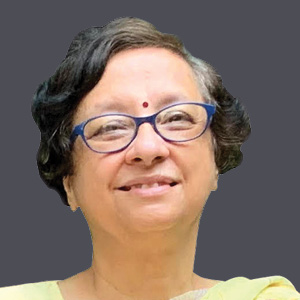
Mr Divesh Dinkar, General Manager- Information Technology, Bank of Maharashtra
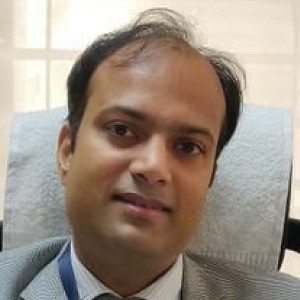
Mr Suryanarayanan K, Chief Information Security Officer (CISO), Central Bank of India
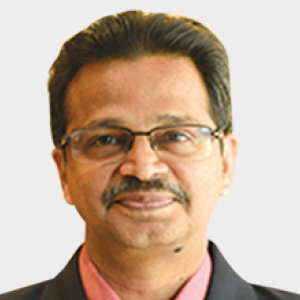
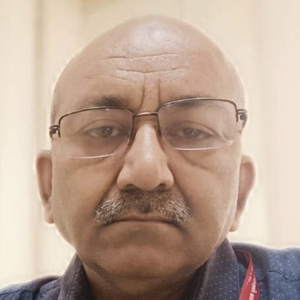
Mr Divyang Rastogi, Chief Information Security Officer (CISO), Punjab National Bank
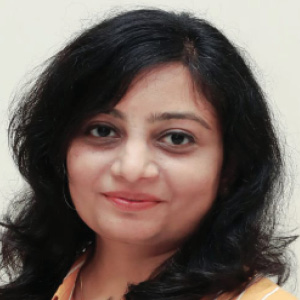
Ms Jasmine Gupta, National Manager- Digital Banking, Equitas Small Finance Bank
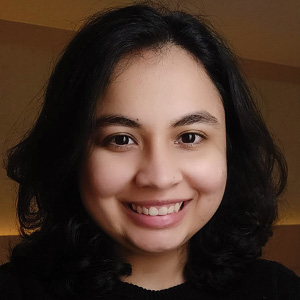
Ms Sunanda Sharma, Lead Financial and Digital Inclusion, AU Small Finance Bank
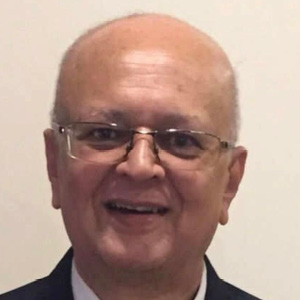
Dr Deepali Pant Joshi
Distinguished Fellow, SDF & Former ED, RBI
Mr Divesh Dinkar
General Manager - Information Technology, Bank of Maharashtra
Mr Suryanarayanan K
Chief Information Security Officer (CISO), Central Bank of India
Mr Divyang Rastogi
Chief Information Security Officer (CISO), Punjab National Bank
Ms Jasmine Gupta
National Manager - Digital Banking, Equitas Small Finance Bank
Ms Sunanda Sharma
Lead Financial and Digital Inclusion, AU Small Finance Bank
1530 - 1630
State of Insurance
The session discussed the future positioning of the insurance industry over the next decade, highlighting strong growth potential driven by digital transformation and rising customer awareness. In health insurance, negotiation challenges with providers and rising treatment costs were key concerns. Life insurance representatives emphasized policyholder protection, curbing misselling, fraud prevention, and regulatory responsiveness, along with concerns around Section 45. The rural and agriculture segment stressed low penetration, the need for simple products, digital outreach, and delays in government premium payments. From the TPA perspective, hospital billing inconsistencies and rising out-of-pocket expenses were major pain points. Panelists also noted disparities in hospital charges for insured versus uninsured patients. Overall, increasing per capita income and economic growth are expected to boost insurance penetration, though structural and regulatory challenges remain.
Chair & Moderator: Mr Nilesh Sathe, Former Member, Life Insurance Regulatory and Development Authority
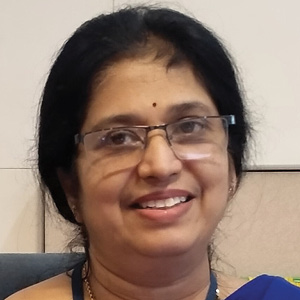
Ms Ajitha Menon, Chief Operating Officer, Vidal Health Insurance TPA Pvt. Ltd.
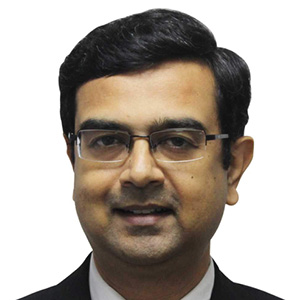
Mr Atri Chakraborty, Chief Operating Officer, India First Life Insurance Co. Ltd.
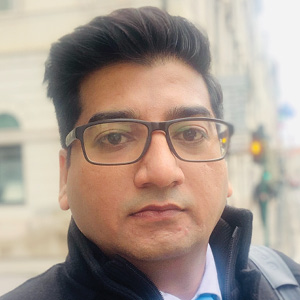
Mr Ashish Saxena, Head - Health Claims & Provider Networks, Future Generali India Insurance Company Limited
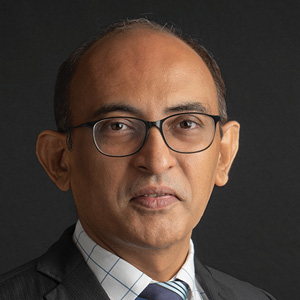
Mr Murtuza Arsiwala, Head - Wellness, Aditya Birla Health Insurance Ltd.
Mr Azad Keshri Mishra, Senior Vice-President, HDFC ERGO General Insurance Company Limited
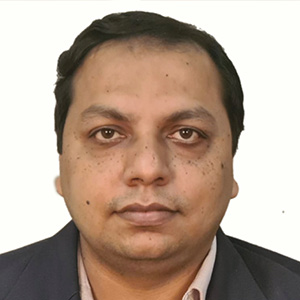
Mr Nilesh Sathe
Former Member, Life Insurance Regulatory and Development Authority
Ms Ajitha Menon
Chief Operating Officer, Vidal Health Insurance TPA Pvt. Ltd.
Mr Atri Chakraborty
Chief Operating Officer, India First Life Insurance Co. Ltd.
Mr Ashish Saxena
Head - Health Claims & Provider Networks, Future Generali India Insurance Company Limited
Mr Murtuza Arsiwala
Head - Wellness, Aditya Birla Health Insurance Ltd.