SKOCH Summit




Agenda
1030 - 1210
Inaugural Session
The session opened with Dr. Manohar Agnani (MoHFW) and Ms. Vandana Yadav (WB Govt/WBIDC), represented by Mr. Raju Mishra, as the key panelists. Dr. Agnani explained how India executed the COVID-19 vaccination program through systematic policy design, planning, and coordination across ministries and states. He highlighted the role of NEGVAC, chaired by Dr. V.K. Paul and the Health Secretary, in guiding strategy and implementation. A major focus was strengthening cold chain infrastructure and ensuring end-to-end tracking of every beneficiary. The transition from eVIN to CoWIN enabled name-based vaccination tracking and created a platform shared internationally. The vaccination rollout expanded in phases from healthcare/frontline workers to 60+, then 45+, and eventually 18+, 15+, and 12+ populations. Mr. Mishra presented West Bengal’s sand mining reform, addressing illegal mining through a centralized digital portal and uniform enforcement mechanisms. Key innovations included QR-enabled challans, vehicle registration, single-window royalty payments, and enforcement support through drones and RFID. The reforms improved compliance, reduced counterfeiting, expanded legal participation, and reportedly increased state revenue nearly fourfold.
Welcome: Dr Gursharan Dhanjal, Vice Chairman, SKOCH Group
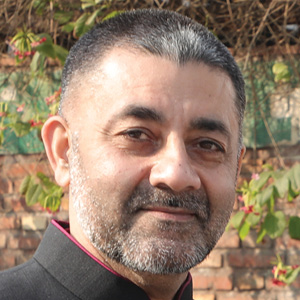
Opening Remarks: Mr Manohar Agnani, Additional Secretary, Ministry of Health & Family Welfare &
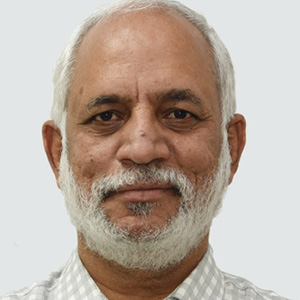
Ms Vandana Yadav, Secretary, Industries Commerce and Enterprises Department, Government of West Bengal & Managing Director, WBIDC
Dr Gursharan Dhanjal
Vice Chairman, SKOCH Group
Dr Gursharan Dhanjal, MA, M.Phil, PhD from Delhi University, an expert in development economics. He is Vice Chairman, SKOCH Group. He is also Editor of INCLUSION—a quarterly publication that focuses on inclusive growth related areas. He has led various research projects, impact assessments and field studies in MSMEs, women empowerment, entitlements, rights, sanitation, social inclusion, health, financial inclusion, e-governance and ICT for development that included traversing across the country, collecting citizen voices for over two decades now. A prolific writer, Dr Dhanjal has contributed over 200 columns in leading national dailies including The Hindustan Times, The Times of India, The Financial Express and The Pioneer. He has published research papers in several journals of repute in addition to authoring following widely acclaimed books: Tarapur: The Politics of Nuclear Age; and, Infrastructure and Governance. He was member of the Working Group on ICT in Higher Education constituted by Planning Commission for the 12th Five Year Plan.
Mr Manohar Agnani
Additional Secretary, Ministry of Health & Family Welfare
Ms Vandana Yadav
Secretary, Industries Commerce and Enterprises Department, Government of West Bengal & Managing Director, WBIDC
1210 - 1300
State of States
Focus on Education, Forest & Environment
The session “State of States” focused on education, forests, and the environment, featuring panelists from Gujarat, Madhya Pradesh, and Chhattisgarh. Gujarat’s higher education landscape was introduced with employability enhancement and skill development initiatives, supporting 60 universities, 800+ colleges, and ~1.5 million students. The Gujarat Pollution Control Board highlighted the link between industrial growth and environmental protection as “two sides of the coin,” requiring sustainable development. Gujarat shared early adoption of environmental e-governance (since ~2008) and the creation of strong environmental infrastructure for industry. A key innovation discussed was Gujarat’s particulate matter Emission Trading Scheme (cap-and-trade), first implemented in Surat, using continuous monitoring and public-domain data. The ETS approach was presented as a win-win, rewarding lower emitters and pushing higher emitters to comply, with plans to expand to Ahmedabad and other areas. Madhya Pradesh showcased how minor forest produce (NTFP) collection, MSP support, processing via SHGs, and profit-sharing support over 40 lakh forest-dependent people. MP emphasized 75% profit return to gatherers, alongside village development, forest sustainability investments, insurance, and education scholarships. Chhattisgarh’s segment introduced the challenge of balancing large forest cover with significant iron ore reserves, noting the need for careful ecological management.
Moderator: Dr Gursharan Dhanjal, Vice Chairman, SKOCH Group
Mr Nagarajan M, Commissioner, Commissionerate of Higher Education, Government of Gujarat
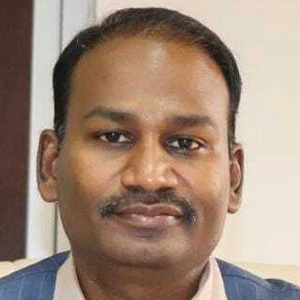
Mr Anil Kumar Vasantal Shah, Member Secretary, Gujarat Pollution Control Board
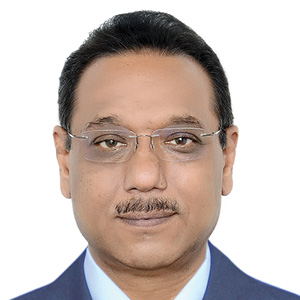
Mr Prakash Chandra Pandey, Managing Director, Chhattisgarh State Forest Development Corporation Limited
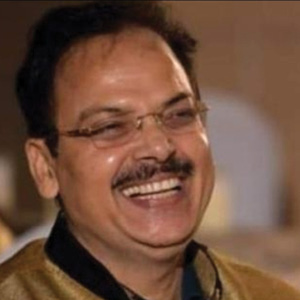
Mr Pushkar Singh, Managing Director, Madhya Pradesh State Minor Forest Produce (T&D) Co. Fed. Ltd.
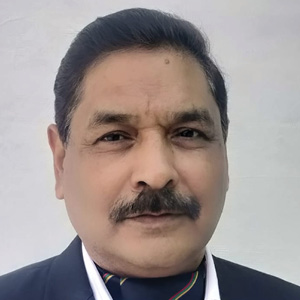
Dr Gursharan Dhanjal
Vice Chairman, SKOCH Group
Dr Gursharan Dhanjal, MA, M.Phil, PhD from Delhi University, an expert in development economics. He is Vice Chairman, SKOCH Group. He is also Editor of INCLUSION—a quarterly publication that focuses on inclusive growth related areas. He has led various research projects, impact assessments and field studies in MSMEs, women empowerment, entitlements, rights, sanitation, social inclusion, health, financial inclusion, e-governance and ICT for development that included traversing across the country, collecting citizen voices for over two decades now. A prolific writer, Dr Dhanjal has contributed over 200 columns in leading national dailies including The Hindustan Times, The Times of India, The Financial Express and The Pioneer. He has published research papers in several journals of repute in addition to authoring following widely acclaimed books: Tarapur: The Politics of Nuclear Age; and, Infrastructure and Governance. He was member of the Working Group on ICT in Higher Education constituted by Planning Commission for the 12th Five Year Plan.
Mr Nagarajan M
Commissioner, Commissionerate of Higher Education, Government of Gujarat
Mr Anil Kumar Vasantal Shah
Member Secretary, Gujarat Pollution Control Board
Mr Prakash Chandra Pandey
Managing Director
Chhattisgarh State Forest Development Corporation Limited
Mr Prakash Chandra Pandey
Managing Director, Chhattisgarh State Forest Development Corporation Limited
Mr Pushkar Singh
Managing Director, Madhya Pradesh State Minor Forest Produce (T&D) Co. Fed. Ltd.
1430 - 1530
State of States
Focus on Energy
The session on State of States – Energy brought together leaders from Telangana, Gujarat, Rajasthan, and West Bengal to discuss progress across generation, transmission, and distribution. The moderator highlighted electricity as the backbone of industry, agriculture, and transportation, especially with the shift toward green energy. Telangana shared how strong governance and investment improved 24×7 supply, boosted agriculture through lift irrigation, and reduced T&D losses to ~10%. Gujarat presented an innovative model of developing solar on wasteland near substations, reducing land issues and transmission losses while enabling cheaper daytime power for farmers. Rajasthan showcased its leadership in renewables with 17,000+ MW RE capacity, strong solar parks, rooftop growth, and policy-driven investor facilitation. West Bengal explained its high-efficiency thermal generation and growing renewable focus through floating solar, including plans for a 500 MW project. Panelists emphasized that storage solutions will be critical to scaling renewables and improving energy reliability. The discussion also noted the fast rise of EV adoption, with states planning widespread charging infrastructure and acknowledging grassroots innovation already underway.
Moderator: Mr Bhushan Mohan, Senior Fellow, SKOCH Development Foundation & Former Principal Consultant, NeGD
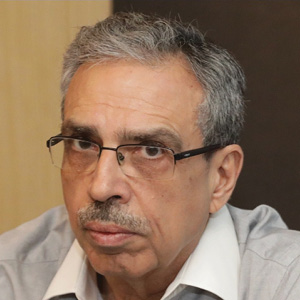
Mr Sunit Mathur, Director (Technical), Rajasthan Renewable Energy Corporation Ltd.
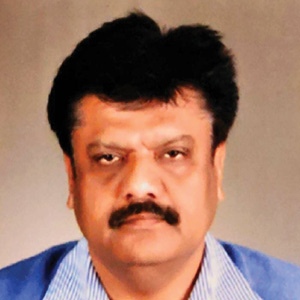
Mr Annamanenl R Gopal Rao, Chairman & Managing Director, Northern Power Distribution Company of Telangana Limited
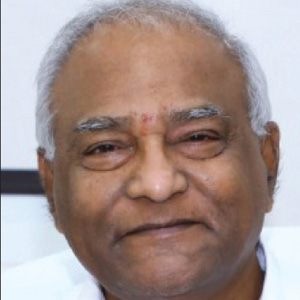
Mr Prasana Kumar Motupalli, Managing Director, Gujarat State Electricity Corporation Limited
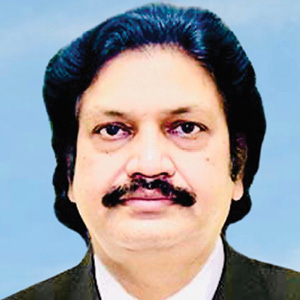
Mr Samir Chandra Roy, Executive Director (Engineering), The West Bengal Power Development Corporation Limited
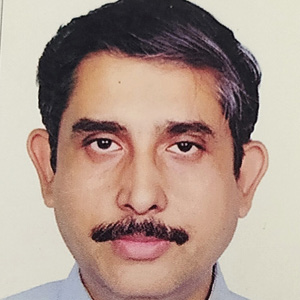
Mr Bhushan Mohan
Senior Fellow, SKOCH Development Foundation & Former Principal Consultant, NeGD
Mr Sunit Mathur
Director (Technical), Rajasthan Renewable Energy Corporation Ltd.
Mr Annamanenl R Gopal Rao
Chairman & Managing Director, Northern Power Distribution Company of Telangana Limited
Mr Prasana Kumar Motupalli
Managing Director, Gujarat State Electricity Corporation Limited
Mr Samir Chandra Roy
Executive Director (Engineering), The West Bengal Power Development Corporation Limited
1530 - 1630
State of States
Focus on Transport & Governance
The session “State of States” focused on transport and governance, moderated by Dr. Shifa Ali Dash with panelists from Haryana, Assam, Rajasthan, Maharashtra (MSRTC), and Dholera Industrial City. Mr. Gupta explained gaps in service delivery—unclear processes, discretion, and weak appeal mechanisms—and described Haryana’s Right to Service framework with 572 notified services and defined timelines. He highlighted the “US Auto Appeal System,” where appeals are auto-filed when timelines lapse, driving on-time performance up to 99% and enabling penalties for delays. Assam Transport shared progress on 13 contactless services (including learner licenses and NOCs), with most services integrated into the RTPS portal and ~90% disposed of within timelines. Rajasthan’s RIICO outlined industrial infrastructure expansion, especially MSME industrial areas at the subdivision level, using transparent e-auctions with 360-degree plot views and online discovery. RIICO also noted policy support like reduced clearance requirements for MSMEs and renewed momentum on large projects such as DMIC initiatives and a fintech park. MSRTC discussed managing a large bus fleet and improving passenger experience through smart card systems, public information systems, and tracking for route adherence and service planning. Dholera presented greenfield smart city development with major trunk infrastructure and connectivity plans (road, rail, airport, ports), plus CSR, vaccination support during COVID, and skill development to enable local employment.
Moderator: Dr Shefali Dash, Distinguished Fellow, SKOCH Development Foundation & Former DG, NIC
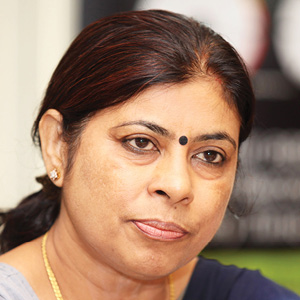
Mr Adil Khan, Commissioner, Transport Department, Government of Assam
Mr Trilok Chand Gupta, Chief Commissioner, Haryana Right to Service Commission
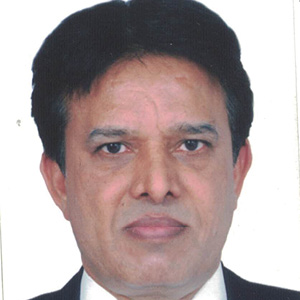
Ms Archana Singh, Managing Director, Rajasthan State Industrial Development & Investment Corporation Limited
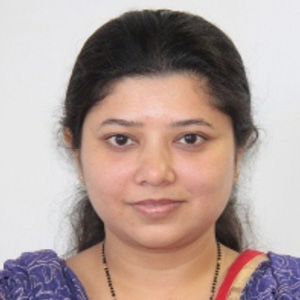
Mr Suhas Jadhav, General Manager-Traffic, Maharashtra State Road Transport Corporation
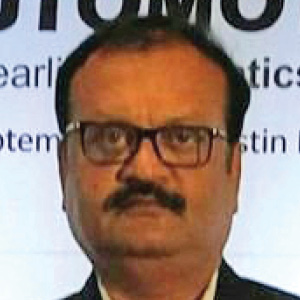
Mr Dilip K Brahmbhatt, General Manager Corporate & HR, Dholera Industrial City Development Limited
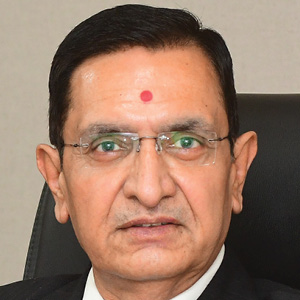
Dr Shefali Dash
Distinguished Fellow, SKOCH Development Foundation & Former DG, NIC
Dr. (Mrs.) Shefali S. Dash is a Ph.D in Physics & Former Deputy Director General, National Informatics Centre, New Delhi. Her Areas of Specialization are Planning and implementation of Management Information Systems (MIS) and Decision Support Systems (DSS), development and implementation of e-Governance programmes, Informatics Development Services and Setting up of Computer Centres, Local Area Networks and computer communication infrastructure in rural areas. She has Implemented a number of large scale projects like the Rajiv Gandhi National Drinking Water Mission computerization Project, Community Information Centre Project, GRAMSAT Project, Warana Wired Village Project, Project Arrow of Department of Post, Setting up of Wide Area Network for connecting all the post offices in the country, Setting up of National Consumer Call Preference Registry for TRAI, Project Nikshaya for Ministry of Health etc. She has been instrumental in preparing e-Governance Plans for various State Governments in India as well as for the Government of Lao PDR.
Mr Adil Khan
Commissioner, Transport Department, Government of Assam
Mr Trilok Chand Gupta
Chief Commissioner, Haryana Right to Service Commission
Ms Archana Singh
Managing Director, Rajasthan State Industrial Development & Investment Corporation Limited
Mr Suhas Jadhav
General Manager-Traffic, Maharashtra State Road Transport Corporation