SKOCH Summit




1450 - 1540
INNOVATIONS IN SAFETY & SECURITY
The panel on Innovations in Safety and Security discussed police reform progress, modernization, and new-age threats across states. Speakers noted policing is a state subject, leading to uneven staffing, training, and service standards nationwide. Mr Agarwal framed reforms as internal (attitude, case registration, behavior) and external (political interference, bias), urging common minimum standards. Dr Palika Arora stressed the need for periodic training, emotional intelligence, and performance accountability, drawing from rehabilitation-focused prison initiatives. Mr Shekhar highlighted Prakash Singh judgment–based mechanisms and continuous tech upgrades, prioritizing cyber crime, women’s safety, and police welfare. Homeland security funding was discussed, with examples of CSR/public participation such as large-scale CCTV deployment and sponsor-supported projects. Technology wins included systems like NAFIS enabling faster cross-state fingerprint matches and improved criminal detection. On disasters, panelists emphasized training as part of basic policing, plus partnerships with NGOs, volunteers, home guards, NSS/NCC, and aapda mitras. Cyber challenges were flagged as borderless and fast-moving, requiring stronger forensics, cooperation with intermediaries, public awareness, and international coordination.
Moderator: Dr Gursharan Dhanjal, Vice Chairman, SKOCH Group
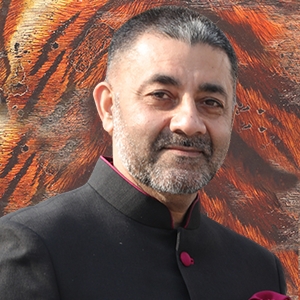
Mr Mahesh Kumar Aggarwal, Additional Director General of Police, Tamil Nadu Police
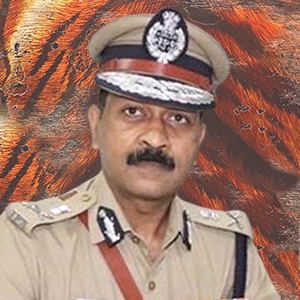
Dr Palika Arora, Additional Inspector General of Police, Model Jail, Chandigarh
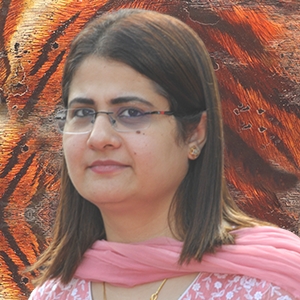
Mr Chanchal Shekhar, Additional Director General of Police, State Crime Records Bureau, Madhya Pradesh
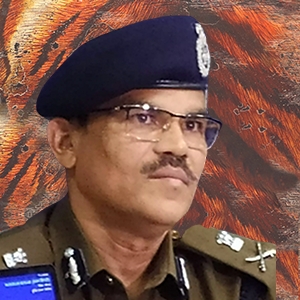
Dr Shankha Brata Bagchi, Additional Director General of Police, Andhra Pradesh Police
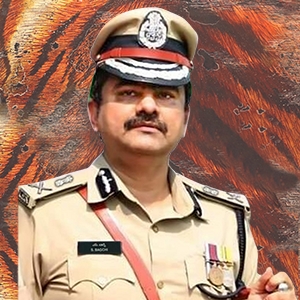
Dr J Loganathan, Inspector General of Police/Additional Commissioner of Police, Head Quarters, Greater Chennai
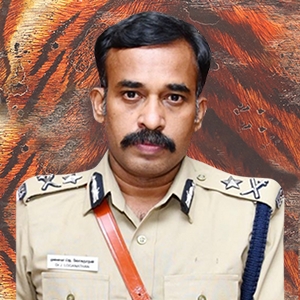
Dr Gursharan Dhanjal
Vice Chairman, SKOCH Group
Dr Gursharan Dhanjal, MA, M.Phil, PhD from Delhi University, an expert in development economics. He is Vice Chairman, SKOCH Group. He is also Editor of INCLUSION—a quarterly publication that focuses on inclusive growth related areas. He has led various research projects, impact assessments and field studies in MSMEs, women empowerment, entitlements, rights, sanitation, social inclusion, health, financial inclusion, e-governance and ICT for development that included traversing across the country, collecting citizen voices for over two decades now. A prolific writer, Dr Dhanjal has contributed over 200 columns in leading national dailies including The Hindustan Times, The Times of India, The Financial Express and The Pioneer. He has published research papers in several journals of repute in addition to authoring following widely acclaimed books: Tarapur: The Politics of Nuclear Age; and, Infrastructure and Governance. He was member of the Working Group on ICT in Higher Education constituted by Planning Commission for the 12th Five Year Plan.
Mr Mahesh Kumar Aggarwal
Additional Director General of Police, Tamil Nadu Police
Dr Palika Arora
Additional Inspector General of Police, Model Jail, Chandigarh
Mr Chanchal Shekhar
Additional Director General of Police, State Crime Records Bureau, Madhya Pradesh
Dr Shankha Brata Bagchi
Additional Director General of Police, Andhra Pradesh Police
Dr J Loganathan
Inspector General of Police/Additional Commissioner of Police, Head Quarters, Greater Chennai
1620 - 1710
INNOVATIONS IN POWER & ENERGY
The panel discussed Innovations in Power and Energy, focusing on readiness for technology adoption, sustainability, digitization, and consumer demand. Speakers highlighted the push toward 500 GW renewable energy by 2030 and the need to manage variability from solar and wind through stronger grid integration. Key technology enablers included wide area monitoring/measurement, grid automation, drone patrolling, and digital substations, alongside reduced land footprint via GIS/hybrid substations. Energy storage remains a major gap: pumped hydro dominates today, while battery storage is promising but still costly; green hydrogen was cited as emerging with policy incentives. Telangana shared demand-side management examples like running night irrigation pumps, while also expanding 3-phase supply to remote and forest areas. Fiscal stress remains acute for DISCOMs due to subsidies, tariffs below cost, AT&C losses, and theft, even as some transmission utilities reported profitability. RDSS progress was discussed, including large-scale rollout of AMI/smart meters, with emphasis on two-way communication and time-of-use benefits for consumers and utilities. Renewable acceleration needs domestic manufacturing of solar cells/modules (reducing import dependence) and decentralized RE to cut rural T&D losses. Gujarat emphasized aligning daytime solar surplus with agriculture load and using time-of-day metering to match load and generation curves, reducing reliance on storage.
Moderator: Dr Gursharan Dhanjal, Vice Chairman, SKOCH Group
Mr Annamaneni Gopal Rao, Chairman & Managing Director, Northern Power Distribution Company of Telangana Limited, Telangana
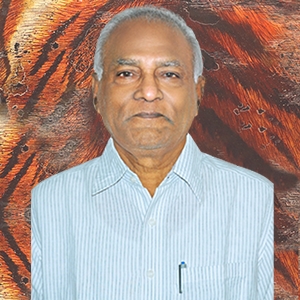
Mr Dinesh Tarachand Waghmare, Chairman & Managing Director, Maharashtra State Electricity Transmission Company Limited (MSETCL), Maharashtra
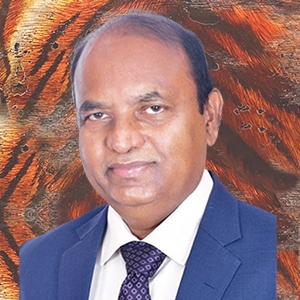
Mr Upendra Pande, Managing Director, Gujarat Energy Transmission Corporation Limited, Gujarat
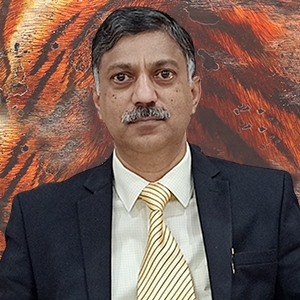
Mr Debendra Dalai, Chief Executive Officer, Chandigarh Renewable Energy and Science & Technology Promotion Society (CREST), Chandigarh
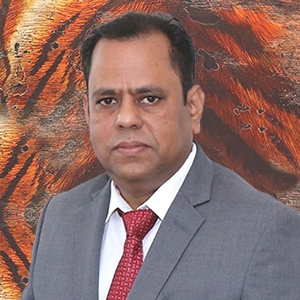
Mr Alok Katiyar, Chief Executive Officer, Chhattisgarh State Renewable Energy Development Agency, Chhattisgarh
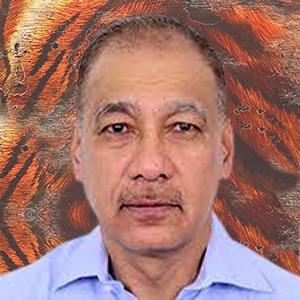
Dr Gursharan Dhanjal
Vice Chairman, SKOCH Group
Dr Gursharan Dhanjal, MA, M.Phil, PhD from Delhi University, an expert in development economics. He is Vice Chairman, SKOCH Group. He is also Editor of INCLUSION—a quarterly publication that focuses on inclusive growth related areas. He has led various research projects, impact assessments and field studies in MSMEs, women empowerment, entitlements, rights, sanitation, social inclusion, health, financial inclusion, e-governance and ICT for development that included traversing across the country, collecting citizen voices for over two decades now. A prolific writer, Dr Dhanjal has contributed over 200 columns in leading national dailies including The Hindustan Times, The Times of India, The Financial Express and The Pioneer. He has published research papers in several journals of repute in addition to authoring following widely acclaimed books: Tarapur: The Politics of Nuclear Age; and, Infrastructure and Governance. He was member of the Working Group on ICT in Higher Education constituted by Planning Commission for the 12th Five Year Plan.
Mr Annamaneni Gopal Rao
Chairman & Managing Director, Northern Power Distribution Company of Telangana Limited, Telangana
Mr Dinesh Tarachand Waghmare
Chairman & Managing Director, Maharashtra State Electricity Transmission Company Limited (MSETCL), Maharashtra
Mr Upendra Pande
Managing Director, Gujarat Energy Transmission Corporation Limited, Gujarat
Mr Debendra Dalai
Chief Executive Officer, Chandigarh Renewable Energy and Science & Technology Promotion Society (CREST), Chandigarh