SKOCH Summit




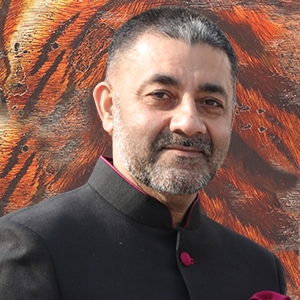
Dr Gursharan Dhanjal
Vice Chairman, SKOCH Group
Dr Gursharan Dhanjal, MA, M.Phil, PhD from Delhi University, an expert in development economics. He is Vice Chairman, SKOCH Group. He is also Editor of INCLUSION—a quarterly publication that focuses on inclusive growth related areas. He has led various research projects, impact assessments and field studies in MSMEs, women empowerment, entitlements, rights, sanitation, social inclusion, health, financial inclusion, e-governance and ICT for development that included traversing across the country, collecting citizen voices for over two decades now. A prolific writer, Dr Dhanjal has contributed over 200 columns in leading national dailies including The Hindustan Times, The Times of India, The Financial Express and The Pioneer. He has published research papers in several journals of repute in addition to authoring following widely acclaimed books: Tarapur: The Politics of Nuclear Age; and, Infrastructure and Governance. He was member of the Working Group on ICT in Higher Education constituted by Planning Commission for the 12th Five Year Plan.
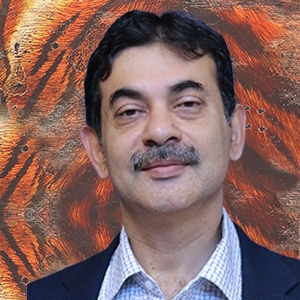
Mr Jayesh Ranjan
Principal Secretary, Information Technology, Electronics and Communications Department, Telangana
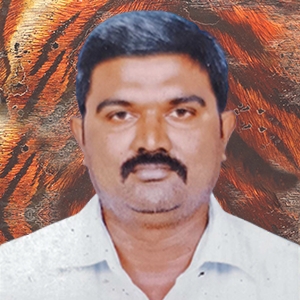
Mr Venkatesh S
Joint Director (Technology), Tamil Nadu e-Governance Agency, Tamil Nadu
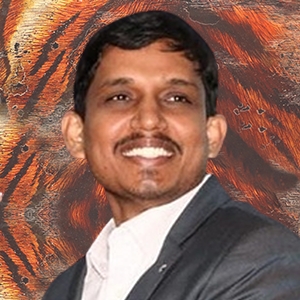
Mr Shreevyas H M
Project Director, Centre for e-Governance, Karnataka
1530 - 1600
INNOVATIONS IN EDUCATION
The panel focused on Innovation in Education, highlighting how learning today sits at the intersection of offline and online modes. The moderator stressed that while COVID accelerated digital adoption, the system must now restore the teacher–student connect. Key challenges were flagged: limited budgets, grade pressure, poor learning outcomes, and outdated curricula. Prof. Ashok Das emphasized that “learning outcomes” must be integrated end-to-end—from curriculum and teaching to assessment and report cards. He argued for aligning curriculum, practicum, fieldwork, question banks, and exam patterns to reflect real learning. Technology was discussed as an enabler through automated assessments testing cognition, reasoning, and correlation skills. On global research impact, the panel noted India’s strength lies in student capability, but gaps remain in access, facilities, and mentorship. Odisha’s approach was shared: building e-resource consortia, expanding access even to tribal areas, and boosting skilling through competitions. The session concluded that stronger mentoring ecosystems and multidisciplinary research linking science with social sciences are essential.
Moderator: Dr Gursharan Dhanjal, Vice Chairman, SKOCH Group
Mr Ashok Das, Chairperson of Odisha State Higher Education Council, Odisha
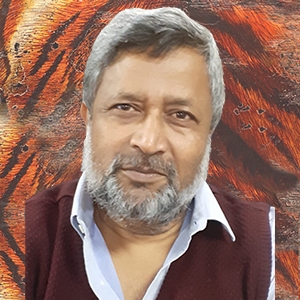
Mr Mohan Lal Yadav, Director-cum-Commissioner, Rajasthan Council of School Education, Rajasthan
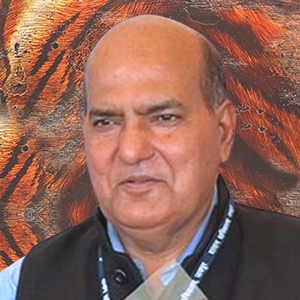
Mr Narendra Kumar Dugga, Managing Director, State Project Office Samagra Shiksha, Chhattisgarh
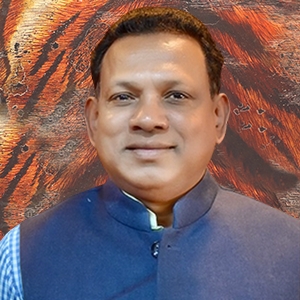
Dr Ravichandran P, Professor, Manonmaniam Sundaranar University, Tamil Nadu
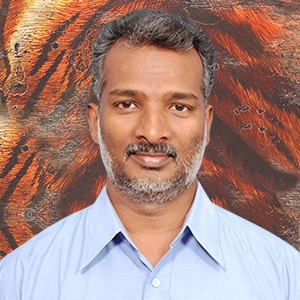
Dr Gursharan Dhanjal
Vice Chairman, SKOCH Group
Dr Gursharan Dhanjal, MA, M.Phil, PhD from Delhi University, an expert in development economics. He is Vice Chairman, SKOCH Group. He is also Editor of INCLUSION—a quarterly publication that focuses on inclusive growth related areas. He has led various research projects, impact assessments and field studies in MSMEs, women empowerment, entitlements, rights, sanitation, social inclusion, health, financial inclusion, e-governance and ICT for development that included traversing across the country, collecting citizen voices for over two decades now. A prolific writer, Dr Dhanjal has contributed over 200 columns in leading national dailies including The Hindustan Times, The Times of India, The Financial Express and The Pioneer. He has published research papers in several journals of repute in addition to authoring following widely acclaimed books: Tarapur: The Politics of Nuclear Age; and, Infrastructure and Governance. He was member of the Working Group on ICT in Higher Education constituted by Planning Commission for the 12th Five Year Plan.
Mr Ashok Das
Chairperson of Odisha State Higher Education Council, Odisha
Mr Mohan Lal Yadav
Director-cum-Commissioner, Rajasthan Council of School Education, Rajasthan
Mr Narendra Kumar Dugga
Managing Director, State Project Office Samagra Shiksha, Chhattisgarh
Dr Ravichandran P
Professor, Manonmaniam Sundaranar University, Tamil Nadu
1700 - 1800
INNOVATIONS IN MUNICIPAL ADMINISTRATION & GOVERNANCE
The panel discussed Innovations in Municipal Administration in the context of India’s rapid urbanization and the Amrit Kaal 2047 vision. Speakers emphasized citizen-centric governance, highlighting grievance portals, WhatsApp helplines, apps, and feedback systems for faster service delivery. Tirupur and Vijayawada shared examples of single-window service models and command-and-control centers to improve responsiveness. Solid waste management, plastic-free cities, and environmental sustainability emerged as core priorities for urban governance. Tirupati showcased technology-enabled waste collection, household mapping, vehicle tracking, and 24×7 service apps. A key challenge identified was inter-departmental silos, especially in infrastructure projects involving roads, utilities, and pipelines. Panelists stressed the need for integrated planning platforms, coordination meetings, and PM Gati Shakti–based asset mapping. On municipal finances, discussions focused on property tax reforms, improving compliance, user charges, and asset monetization. The session concluded that technology, coordinated governance, and financial self-sustainability are critical for stronger urban local bodies.
Moderator: Dr Gursharan Dhanjal, Vice Chairman, SKOCH Group
Dr Joga Ram, Secretary, Department of Local Self Government, Rajasthan
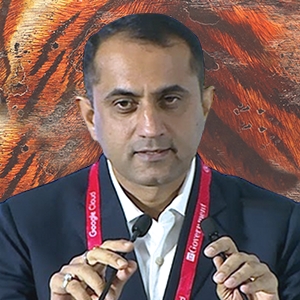
Mr Kranthi Kumar Pati, Commissioner, Tiruppur City Municipal Corporation, Tamil Nadu
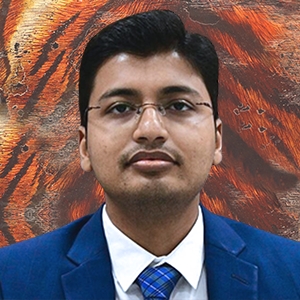
Ms K V Satyavathi, Additional Commissioner, Vijayawada Municipal Corporation, Andhra Pradesh
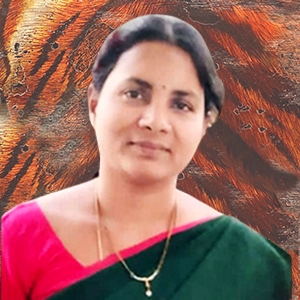
Mr B Vishnu Chandran, Joint Commissioner, Municipal Administration, Tamil Nadu
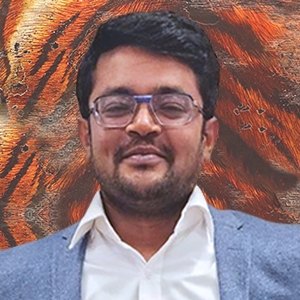
Mr Chandramouleshwara Reddy, Deputy Commissioner, Tirupati Municipal Corporation, Andhra Pradesh
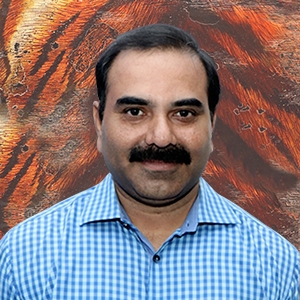
Dr Gursharan Dhanjal
Vice Chairman, SKOCH Group
Dr Gursharan Dhanjal, MA, M.Phil, PhD from Delhi University, an expert in development economics. He is Vice Chairman, SKOCH Group. He is also Editor of INCLUSION—a quarterly publication that focuses on inclusive growth related areas. He has led various research projects, impact assessments and field studies in MSMEs, women empowerment, entitlements, rights, sanitation, social inclusion, health, financial inclusion, e-governance and ICT for development that included traversing across the country, collecting citizen voices for over two decades now. A prolific writer, Dr Dhanjal has contributed over 200 columns in leading national dailies including The Hindustan Times, The Times of India, The Financial Express and The Pioneer. He has published research papers in several journals of repute in addition to authoring following widely acclaimed books: Tarapur: The Politics of Nuclear Age; and, Infrastructure and Governance. He was member of the Working Group on ICT in Higher Education constituted by Planning Commission for the 12th Five Year Plan.
Dr Joga Ram
Secretary, Department of Local Self Government, Rajasthan
Mr Kranthi Kumar Pati
Commissioner, Tiruppur City Municipal Corporation, Tamil Nadu
Ms K V Satyavathi
Additional Commissioner, Vijayawada Municipal Corporation, Andhra Pradesh
Mr B Vishnu Chandran
Joint Commissioner, Municipal Administration, Tamil Nadu