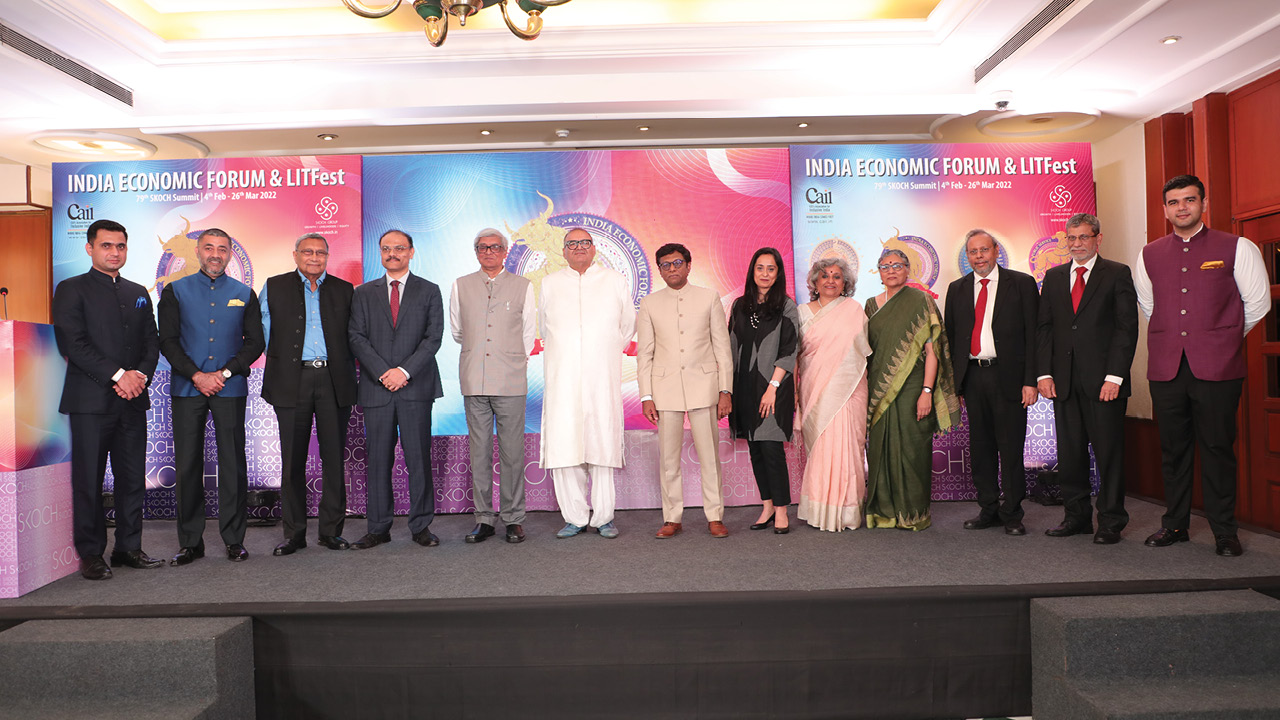
India Economy Forum (IEF) is India’s marquee platform that brings together foremost economists and heads of financial institutions to shape economic agendas in India. SKOCH IEF is the only independent & unbiased forum that is trusted by all stakeholders, irrespective of their affiliations and associations, which resonates with our collaborative spirit to push for positive change.
With the Indian economy on the path to recovery after COVID-induced slowdown, the importance of a resilient economic framework and ecosystem has become obvious. However, several important issues will need to be addressed and several greenfield areas developed before this vision can be realized. With that in mind, the SKOCH Group had organized the India Economic Forum from 4th Feb to 26th March, 2022. The first-of-its-kind forum brought together more than 90 high-profile luminaries from economics and finance over 11 highly engaging sessions to touch upon several burning issues with direct market and policy impact.
Five key tracks were identified with direct relevance to the growth of the economy and the vision of transforming India into a global economic powerhouse by 2025 and included “Economy”, “Markets”, “Finance”, “Sustainability” and “LITFest”. The tracks, panels and the exhaustive discussions will culminate in the Grand Finale, scheduled for 26th March, 2022, where the recommendations from all the tracks on spatially dispersed, job generative & equitable growth will be presented to the top decision makers and leaders from economy and finance.
Mr Sameer Kochhar, Chairman, SKOCH Group
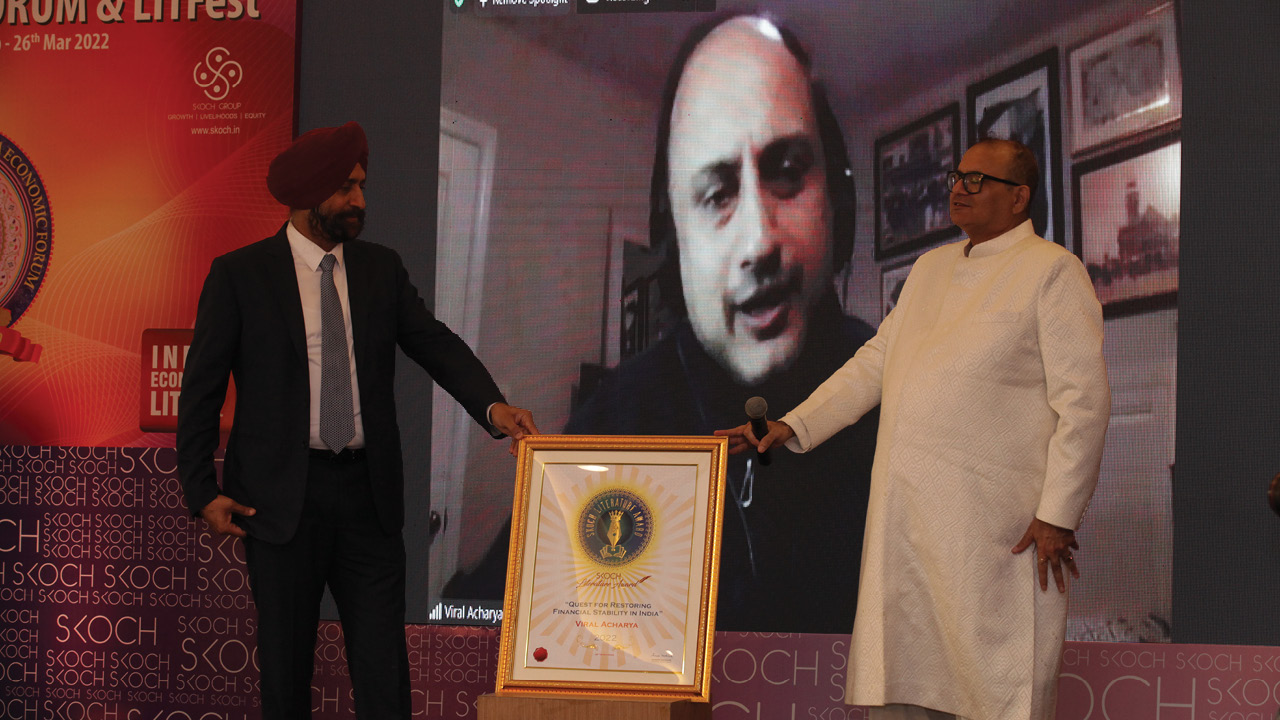
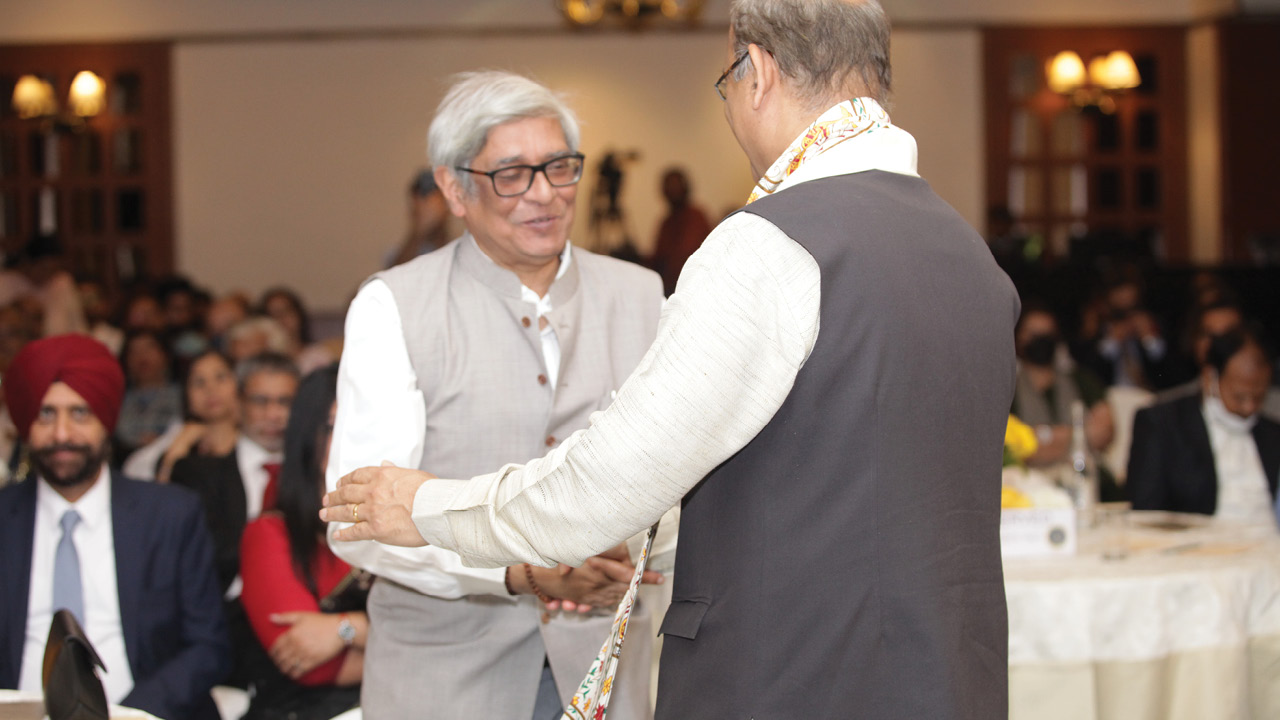
Summary: The speaker introduced as an insider account of India’s economic policymaking journey from 1979 to 2014, highlighting the country’s transition to a high-growth economy. He emphasized key themes from the book, including gradual reform strategies, liberalization, and the dismantling of the License Raj. The remarks also touched upon the optimism seen in the early years of the Modi government. In his response, he expressed gratitude for the award and noted, with humor, that authors are pleased when their work is actually read. He also referenced the growing global relevance of fiscal dominance, linking it to broader economic discussions. The speaker concluded with a light-hearted tone, appreciating fellow awardees and the recognition.*
View Full Transcript
Mr Kulmeet Bawa, President, CEO's Association of Inclusive India (CAII) and MD, SAP India
Summary: The speaker welcomed the gathering and acknowledged the contributions of economists and leaders who have shaped India’s growth over the decades. He highlighted the India Economic Forum as a platform that drives meaningful dialogue on inclusive growth by bringing policymakers closer to real-world challenges. SKOCH was recognized for its consistent role in promoting change across social, financial, and digital sectors. He emphasized the importance of knowledge sharing through initiatives like the Lit Fest and the role of the CEOs’ Association for Inclusive India in shaping policy perspectives. The speaker also stressed that sustainability and climate change are among the most critical challenges of this century. He concluded by urging that environmental responsibility must be central to all policy and business decisions to ensure truly sustainable growth.*
View Full Transcript
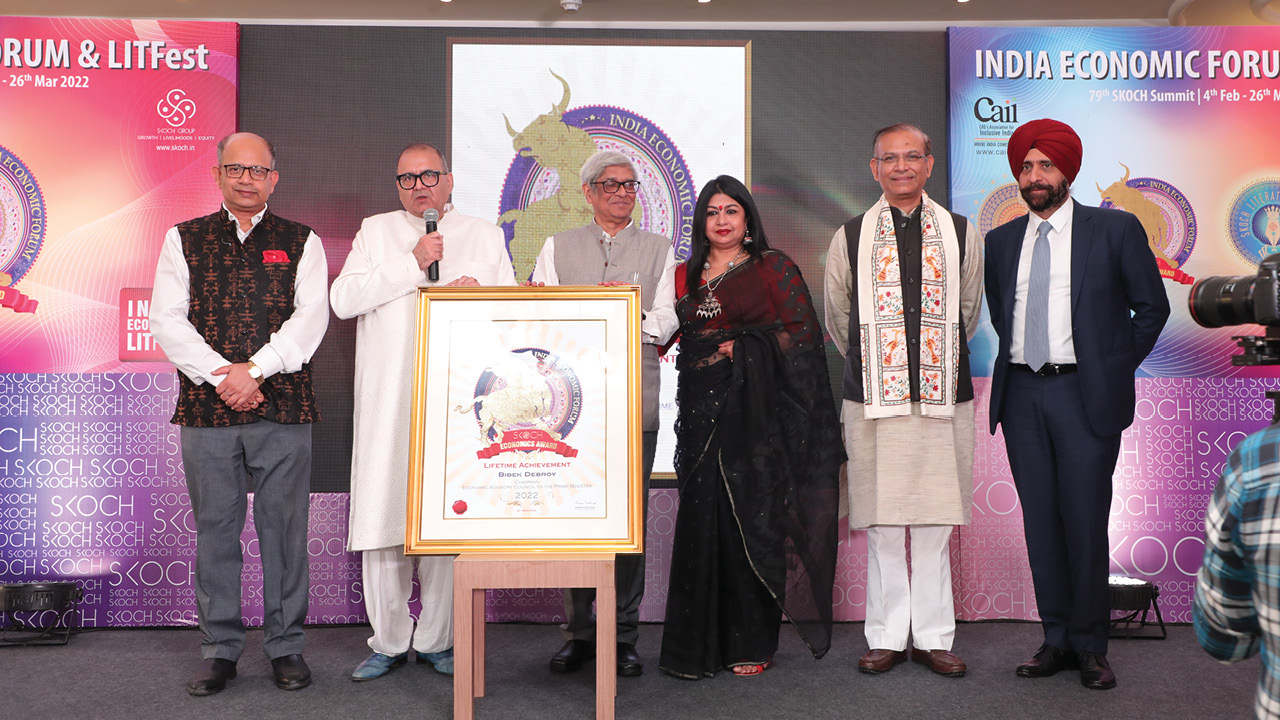
Keynote: Dr Bibek Debroy, Chairman, Economic Advisory Council to the Prime Minister
Summary: The speaker emphasized inclusion as the central theme underpinning SKOCH’s work and broader economic discourse. He distinguished between poverty as an absolute concept and inequality as a relative and dynamic one shaped by perceptions of future opportunities. He argued that poverty is not voluntary and that addressing it requires improving access to key inputs such as infrastructure, finance, technology, and markets. The importance of governance and legal frameworks in shaping market outcomes was highlighted, particularly through constitutional structures. He stressed that effective delivery of public goods largely happens at the local level, making decentralization crucial. The speaker concluded by urging greater focus on grassroots governance to integrate marginalized regions and achieve true inclusive growth.*
View Full Transcript
Dr Bibek Debroy, Chairman, Economic Advisory Council to the Prime Minister
Summary: The speaker emphasized inclusion as the central theme underpinning SKOCH’s work and broader economic discourse. He distinguished between poverty as an absolute concept and inequality as a relative and dynamic one shaped by perceptions of future opportunities. He argued that poverty is not voluntary and that addressing it requires improving access to key inputs such as infrastructure, finance, technology, and markets. The importance of governance and legal frameworks in shaping market outcomes was highlighted, particularly through constitutional structures. He stressed that effective delivery of public goods largely happens at the local level, making decentralization crucial. The speaker concluded by urging greater focus on grassroots governance to integrate marginalized regions and achieve true inclusive growth.*
View Full Transcript
Dr Amar Patnaik, Member, Rajya Sabha
Summary: Dr. Amar Patnaik emphasizes inequity as the central challenge shaping his journey from civil services to politics. He highlights that disparities persist across economic, social, and cultural dimensions, driven by deep-rooted power asymmetries. Despite economic growth, inequality continues to rise, with the poorest most affected, especially during crises like climate change and natural disasters. Drawing from Odisha’s experiences, he underscores the need for inclusive and resilient governance. He advocates for politics as a means of service rather than power. He reaffirms his commitment to addressing inequity at local, national, and global levels.*
View Full Transcript
Mr Jayant Sinha, Member, Lok Sabha
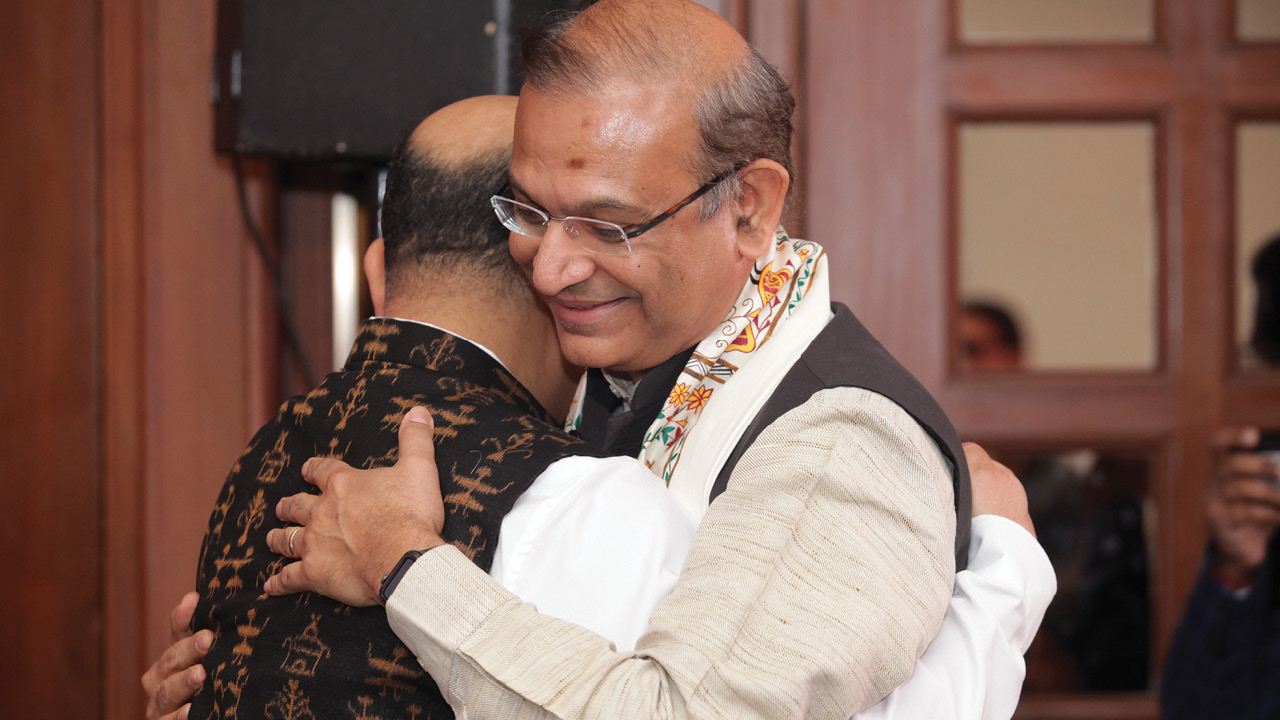
Summary: Jayant Sinha emphasizes service as the central purpose of his life and political journey, guided by the principle "Seva Parmo Dharma." He highlights his strong connection with the people of Hazaribagh and Ramgarh, whose support has enabled his work. His focus remains on grassroots development, including tribal welfare, infrastructure, and essential services. He underscores the importance of responsible and active participation in policymaking. He also acknowledges the crucial support of his family, especially his wife, in his ability to serve. He dedicates his achievements to his constituents, reflecting a people-first approach to leadership.*
View Full Transcript